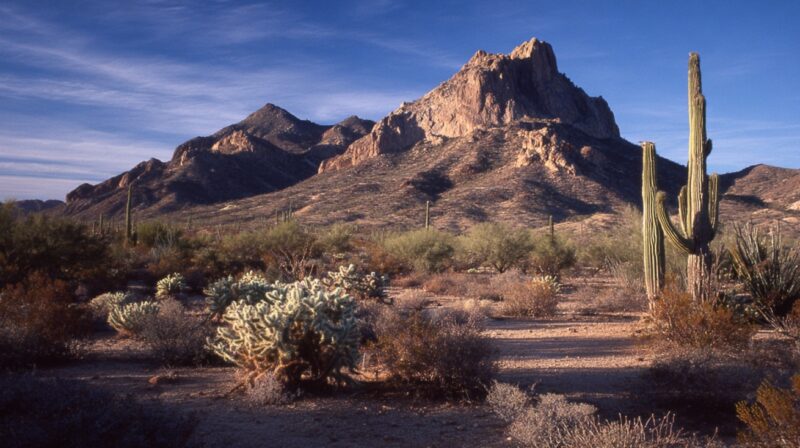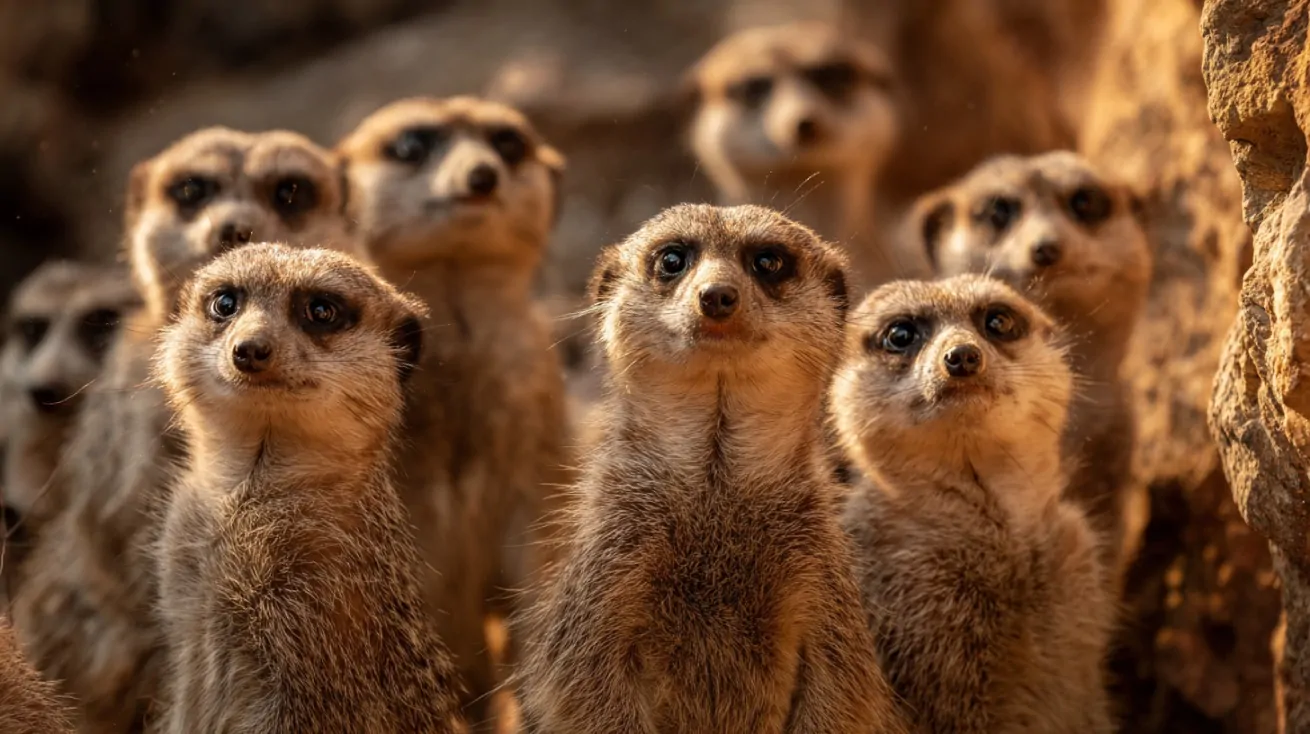
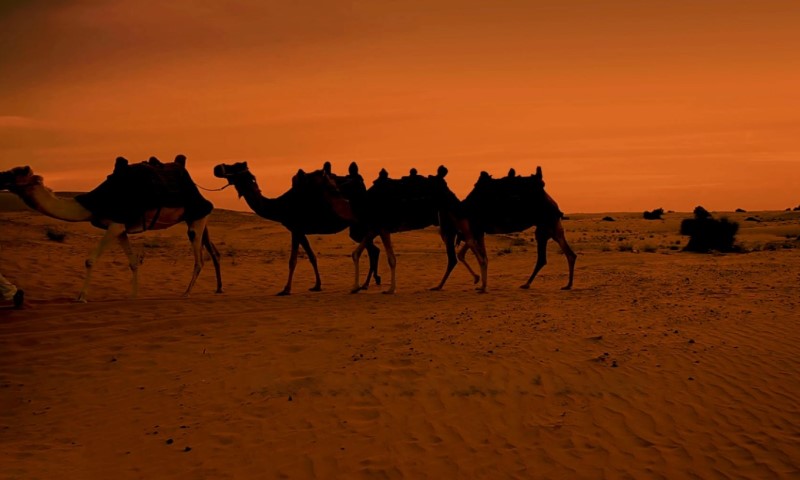
From a distance, deserts look empty. Walk into one, stay long enough, and a different picture forms. Tracks appear in soft sand. Small movements happen under shrubs. At night, eyes glow where nothing seemed alive hours earlier. Life does not fade here. Life adapts.
A desert is not defined by sand. It is defined by water. Most desert regions receive less than 250 mm or 10 inches of rain per year, followed by high evaporation that removes moisture almost as quickly as it arrives.
Temperature can swing hard from daytime heat to cold nights because dry air releases stored heat fast. Animals living here face 3 constant pressures: overheating, drying out, and finding calories that appear in short, unpredictable bursts.
Below are 27 survival strategies used across deserts worldwide. Each one solves part of the same puzzle. Stay cool. Hold water. Find food when it appears.
Heat Problem
Heat shapes every decision in desert life. Body temperature, movement, shelter choice, and daily schedules all exist under the same pressure, avoid lethal overheating while losing as little water as possible.
1. Shift Activity Into the Cool Hours
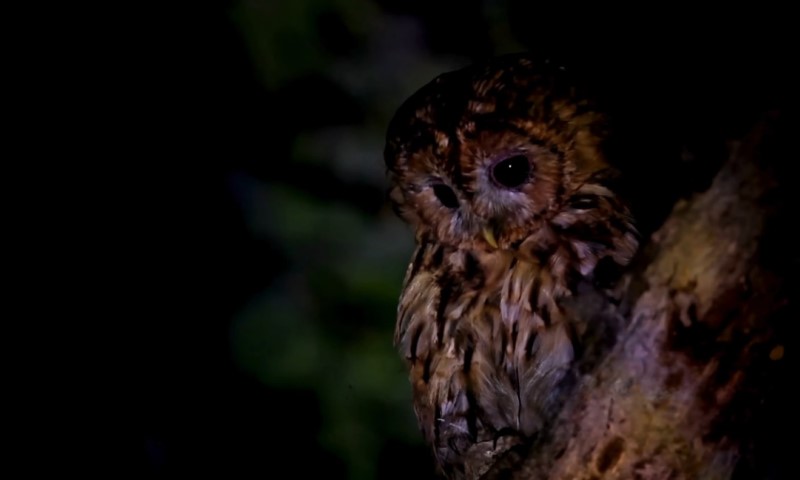
Many desert animals move their lives into the dark. Hunting, feeding, and travel happen at night or around dawn and dusk. Rest fills the hot hours. Even when food sits nearby, timing still matters because every step under the sun pulls water from the body.
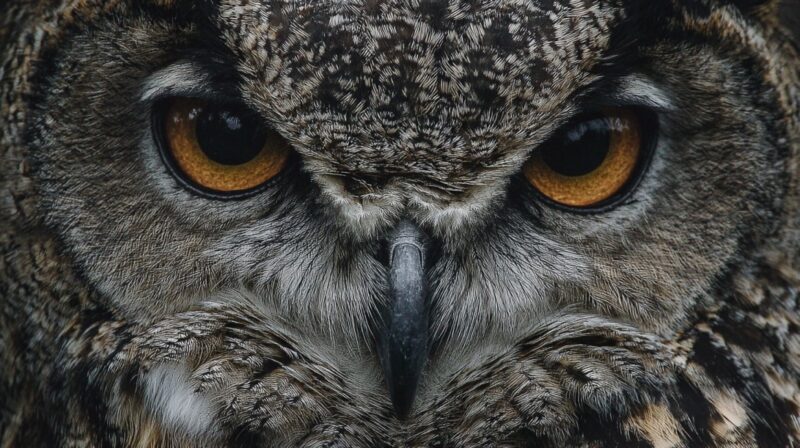
Owls, kangaroo rats, foxes, geckos, and many snakes follow this pattern. Life shifts into quieter hours, when surfaces cool, and evaporation slows.
2. Use Burrows and Dens as Built-in Air Conditioning
Burrows create small underground climates that feel completely different from the surface. Air inside remains cooler and more humid, which cuts evaporative water loss and heat stress.
Kangaroo rats rely heavily on burrows as part of a broader water-saving lifestyle. Underground shelters also buffer animals from hot winds and nighttime cold.
3. Treat Shade as a Guarded Resource
Shade functions like currency in the desert. Animals compete for it, defend it, and stay still inside it.
Lizards flatten under rocks. Antelopes rest beside shrubs. Foxes tuck into ledges. Stillness reduces heat gain and limits water loss through breathing.
4. Turn Ears Into Radiators
Some mammals use ears as heat release panels. Fennec foxes carry large thin ears filled with blood vessels that release body heat fast.
Jackrabbits show similar designs. Under the right conditions, jackrabbit ears shed heat around 30 °C or 86 °F, limiting the need for sweating or heavy panting.
5. Control Blood Flow to Open or Close Heat Loss Surfaces
Structure matters, but physiology adjusts it. Jackrabbit ears change blood flow depending on thermal demand.
More blood moves into the ears during heat release. Less flows when conserving water becomes more important. A living thermostat sits in plain sight.
6. Use Reflective Surfaces to Reduce Solar Heat Gain
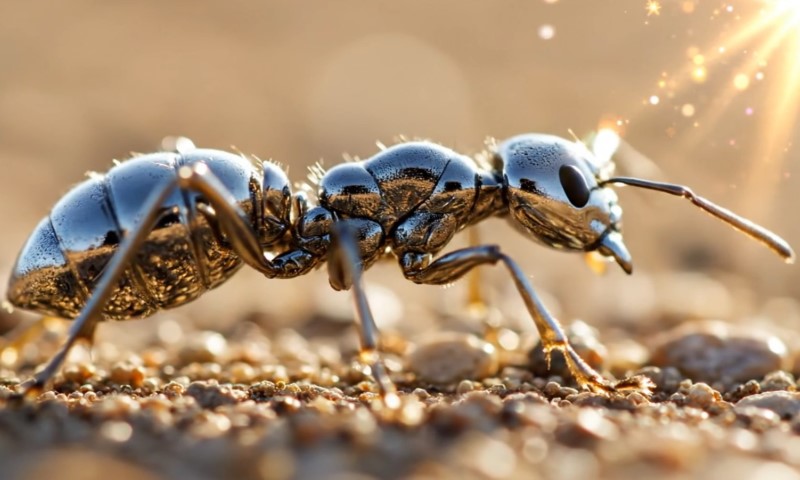
Some desert insects use reflective hair structures that bounce solar radiation away. Saharan silver ants show a bright reflective coating that reduces heat absorption while they run across extreme surfaces. Reflection in deserts is not decoration. It functions as temperature control.
7. Insulate Against Daytime Heat and Cold Nights
Desert days burn hot, nights turn cold. Thick fur works both ways. Camel fur limits heat entering the body during the day while slowing heat loss at night. Fennec fox fur supports the same goal. Insulation does not trap heat only, it moderates it.
8. Allow Body Temperature to Rise, Then Cool Later
Some animals tolerate higher internal body temperatures during the day, reducing the need for sweating and water loss. Scimitar horned oryx tolerate internal body temperatures up to 47 °C or 116 °F.
Desert bighorn sheep also allow body temperature to fluctuate by several degrees. Water saved during the day supports survival later.
9. Use Evaporative Cooling Only When Worth the Water
Birds and mammals still rely on evaporation in extreme heat. Desert species delay it as long as possible.
Evaporative cooling capacity differs widely among species, shaped by drinking habits and kidney function. When evaporation happens, it happens with strict water budgeting.
10. Move Across Hot Sand Using Specialized Locomotion
Hot sand transfers heat fast. Sidewinder rattlesnakes use a lifting motion that reduces ground contact time and contact area. The gait allows speed and traction while limiting heat transfer into the body.
Thirst Problem
Water shapes every decision in desert life. Some days offer a puddle. Many offer nothing but dry air, salty plants, and brief windows of moisture hidden inside food.
The next set of strategies shows how animals hold onto every drop and find new ways to replace what disappears.
11. Get Water From Food Instead of Drinking
When open water disappears, moisture inside plants and prey becomes the water supply. Desert bighorn sheep can go many days without drinking during spring by metabolizing moisture from vegetation.
12. Make Metabolic Water From Food Chemistry
Water forms inside the body during digestion, especially when oxidizing carbohydrates.
Kangaroo rats rely heavily on metabolic water combined with behavior and kidney efficiency to survive with minimal direct drinking.
13. Produce Extremely Concentrated Urine
Highly concentrated urine reduces water loss. Kangaroo rat kidneys perform extreme waste concentration that removes salts with minimal fluid.
14. Store Water Internally and Reabsorb Later
Desert tortoises use a large urinary bladder as a water reservoir. The bladder can store over 40% of body weight in water and wastes. Solid urates precipitate, so water and ions return into circulation while uric acid leaves as a semi-solid paste. Also, read how some desert plants store water.
15. Excrete Nitrogen as Uric Acid to Save Water
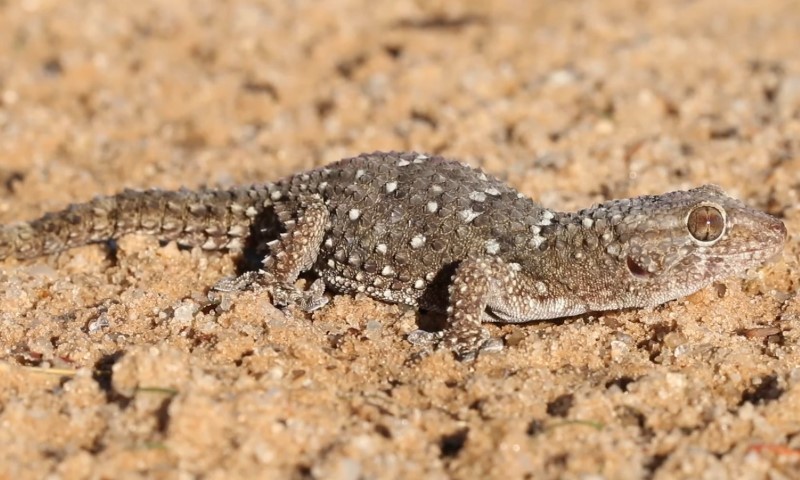
Birds and reptiles often excrete nitrogen as uric acid. The substance leaves the body in a paste, requiring little water compared to urea-based waste.
16. Reclaim Water in the Gut and Produce Dry Feces
Many desert animals reclaim water in their intestines, leaving dry feces behind. Less liquid exits the body each day.
17. Recycle Moisture From Breath
Narrow nasal passages function as heat and water exchangers. Kangaroo rats cool exhaled air inside the nose, causing moisture to condense and return into the body. Respiratory water loss drops sharply.
18. Build a Waterproof Outer Layer
Insects rely on a waxy cuticle layer that forms a major barrier to water loss. Internal respiratory surfaces and closable spiracles further limit evaporation. Cuticular surface chemistry directly shapes desiccation resistance.
19. Control Respiration Timing
Many insects use discontinuous gas exchange cycles, opening spiracles intermittently rather than continuously. The pattern reduces water loss from the tracheal system.
20. Drink Fog and Dew
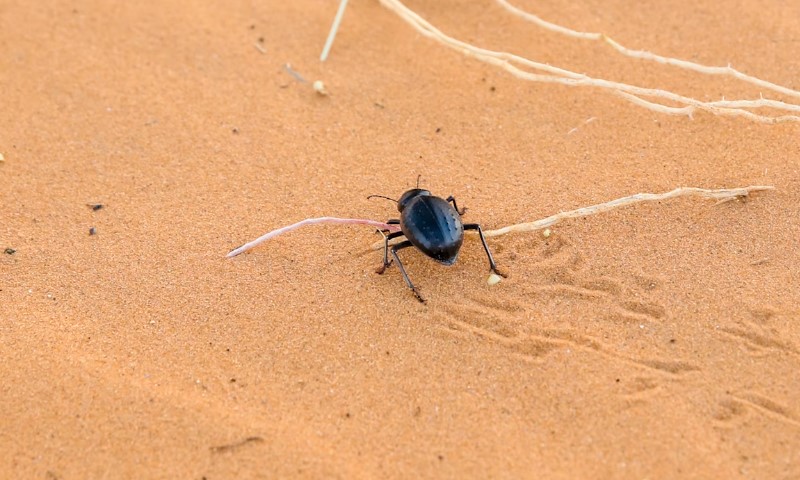
Some deserts receive fog without rainfall. Namib Desert darkling beetles harvest fog by adopting a stance that turns their bodies into water collectors. Condensed droplets roll toward the mouth.
21. Wick Water to the Mouth Through Skin Channels
Thorny devils and similar lizards use capillary channels between scales to move water across the skin surface. Moisture flows toward the mouth through capillary action.
22. Carry Water for Young
Male sandgrouse belly feathers hold about 25 mL of water after roughly 5 minutes of soaking and feather fluffing. The feathers transport water back to the chicks.
23. Dump Salt Without Dumping Water
Roadrunners and other desert birds use nasal salt glands to excrete excess salt without heavy water loss. Salt exits as a concentrated solution, sparing the kidneys from producing large urine volumes.
24. Tolerate Major Dehydration Then Rehydrate Fast
Dromedary camels may lose up to 25% of their body weight in water under acute dehydration without risking health.
Observations also report losses up to 30% under extreme heat, with drinking intervals extending 8 to 10 days in some cases.
Scarce Food Problem
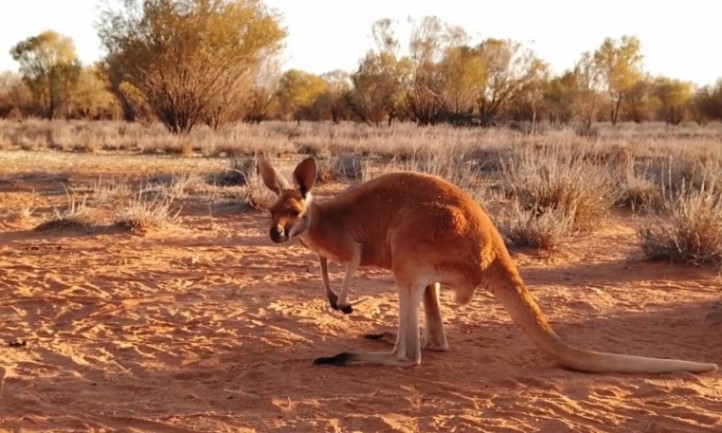
Food does not arrive on a schedule in desert landscapes, so survival depends on quick response when resources appear and disciplined use of every stored calorie.
25. Cache Food When It Appears
Kangaroo rats collect seeds using external cheek pouches and store them in burrows. Cached food transforms unpredictable abundance into predictable meals.
26. Switch Diets Toward Higher Water Plants
Desert bighorn sheep and other herbivores may switch forage toward plants with higher water content during drought. Diet choice shapes hydration.
27. Pause Life During Drought Then Reproduce Fast After Rain
Some desert amphibians enter aestivation. Frogs hide underground, limit water loss, and may form cocoons of dead skin.
Spadefoot toads endure very large body water losses during prolonged dormancy. After rain, feeding and reproduction surge rapidly.
Quick Reference Table
| Category | Survival strategy | Example animals | Main benefit |
| Heat | Night activity | Many mammals and reptiles | Avoids peak heat |
| Heat | Ears as radiators | Fennec fox, jackrabbit | Rapid heat dumping |
| Heat | Adaptive heterothermy | Oryx, desert bighorn | Lower sweating needs |
| Thirst | Bladder storage | Desert tortoise | Internal water reservoir |
| Thirst | Nasal moisture recovery | Kangaroo rats | Reduced respiratory loss |
| Thirst | Fog harvesting | Namib beetles | Water without rain |
| Thirst | Water carrying feathers | Sandgrouse | Water delivery to chicks |
| Food | Caching | Kangaroo rats | Buffers food unpredictability |
| Food | Aestivation | Desert frogs | Survival during a long drought |
Deserts reward patience, timing, and precision. Life here runs on restraint and smart accounting. Water, shade, shade again, calories, and shade once more.
Every breath, step, and meal carries weight. Animals that thrive here do not fight the desert. They live by its rules.