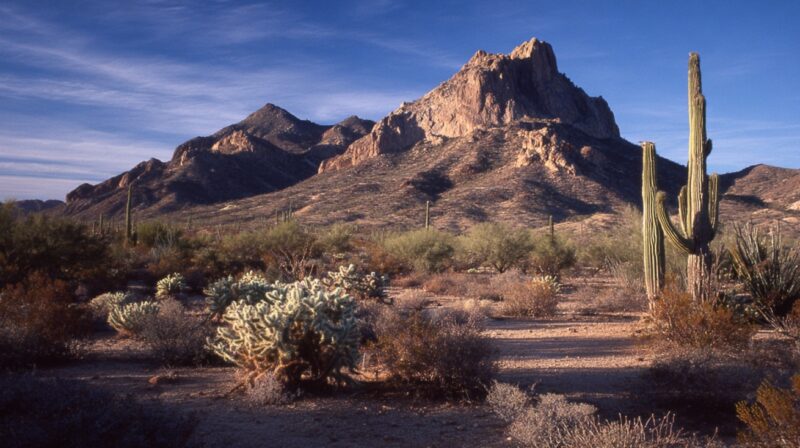
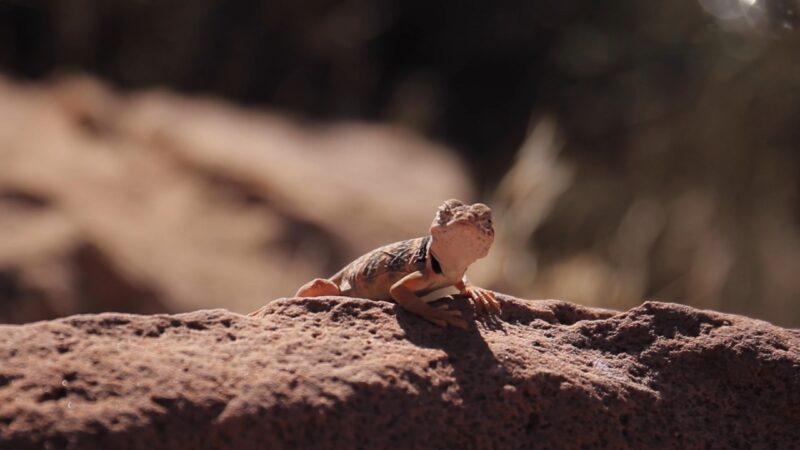
Deserts punish animals that treat heat and water like an afterthought. Lizards do not have that luxury. Across the Mojave, Sonoran, Namib, Sahara, Arabian deserts, and Australia’s red interior, desert lizards solve the same problems in repeatable ways.
Body temperature must stay inside a workable band. Body water must be protected. Food arrives in pulses rather than a steady supply. Shelter matters more than scenery. Survival depends on timing, posture, and access to microhabitats that remain survivable while open sand turns hostile.
Most desert lizards do not rely on one dramatic superpower. They stack behaviors and small anatomical advantages, then lean on schedules.
Many stay active at dawn or dusk. Many sprint between shade patches. Many live in burrows, rock cracks, or under shrubs where temperatures and humidity stay more stable than the open surface.
Before meeting the species, a short field guide to the patterns that repeat across deserts.
Core Desert Adaptations You Will Keep Seeing
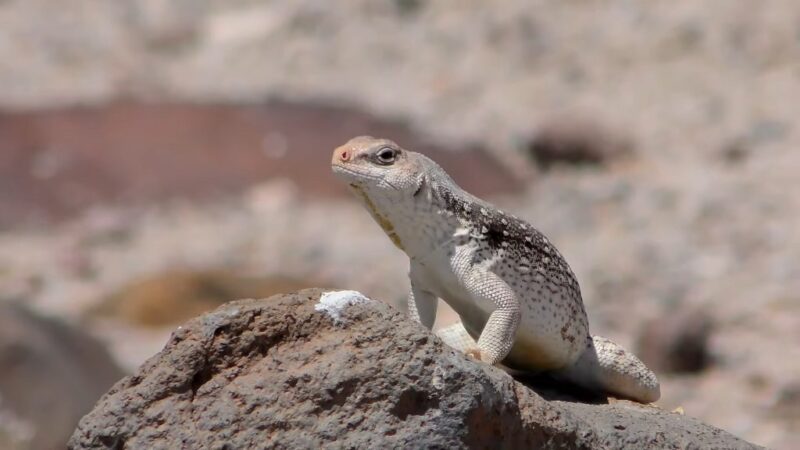
- Behavioral thermoregulation. Lizards bask early, retreat during peak heat, then return to surface activity as conditions ease. They select shade, climb, or burrow to keep body temperature inside a narrow, workable range. Desert reptiles remain active in very warm conditions by choosing when and where they move.
- Heat management by posture and movement. Many species lift the belly from hot sand, extend their limbs to reduce surface contact, or angle their bodies to the sun for controlled heating or cooling.
- Water strategy. Moisture comes from food, evaporative loss drops by staying underground, and waste stays concentrated. Several desert herbivores and insectivores survive long dry stretches mainly through diet and timing.
- Burrowing and microhabitat use. Sand specialists move under the surface. Others dig, borrow rodent burrows, or wedge into rock cracks where temperature and humidity remain steadier.
- Desert locomotion hardware. Fringed toes, webbed feet, long legs for hot surfaces, and streamlined bodies for sand appear again and again.
- Conservation reality. Many reptiles are assessed as Least Concern. Regional declines and habitat fragmentation still matter. In one Mediterranean-focused synthesis, about 13% of reptile species were globally threatened, showing how fast land use change can catch up to animals that look “tough.”
Quick List Of 23 Desert Lizards At A Glance
| # | Common Name | Scientific Name | Main Desert Regions | Signature Adaptation | Typical Activity |
|---|---|---|---|---|---|
| 1 | Desert iguana | Dipsosaurus dorsalis | Mojave, Sonoran | High heat tolerance, plant-heavy diet | Diurnal |
| 2 | Gila monster | Heloderma suspectum | Sonoran, Mojave edges | Venom system, long underground rest | Crepuscular to nocturnal seasonally |
| 3 | Common chuckwalla | Sauromalus ater | Mojave, Sonoran, Great Basin | Rock-crevice defense, drought-friendly herbivore | Diurnal |
| 4 | Zebra-tailed lizard | Callisaurus draconoides | Mojave, Sonoran | Fast sprinting, tail display | Diurnal |
| 5 | Coachella Valley fringe-toed lizard | Uma inornata | Colorado Desert dunes | Fringed toes, dune specialization | Diurnal, seasonal |
| 6 | Southern desert horned lizard | Phrynosoma platyrhinos | Mojave, Great Basin | Ant-based diet, sand burrowing | Diurnal |
| 7 | Texas horned lizard | Phrynosoma cornutum | Arid S. US | Ant specialist, predator defenses | Diurnal |
| 8 | Desert spiny lizard | Sceloporus magister | Sonoran, Mojave edges | Rock and ground use, flexible diet | Diurnal |
| 9 | Long-nosed leopard lizard | Gambelia wislizenii | Great Basin, Mojave, Sonoran | Open-ground hunting, speed | Diurnal |
| 10 | Side-blotched lizard | Uta stansburiana | Western US deserts | High reproduction, microhabitat use | Diurnal |
| 11 | Western banded gecko | Coleonyx variegatus | Mojave, Sonoran | Nocturnal hunting, eyelids | Nocturnal |
| 12 | Desert night lizard | Xantusia vigilis | Mojave, Great Basin | Lives under woody debris | Mostly nocturnal, crepuscular |
| 13 | Namaqua chameleon | Chamaeleo namaquensis | Namib | Ground-running chameleon | Diurnal |
| 14 | Namib web-footed gecko | Pachydactylus rangei | Namib dunes | Webbed feet for sand | Nocturnal |
| 15 | Common barking gecko | Ptenopus garrulus | Kalahari, Namib | Burrow living, vocal calling | Crepuscular, nocturnal |
| 16 | Sandfish skink | Scincus scincus | Sahara | Swims through sand | Crepuscular, nocturnal |
| 17 | Armadillo girdled lizard | Ouroborus cataphractus | Succulent Karoo | Armor and curl defense | Diurnal |
| 18 | Egyptian spiny-tailed lizard (Dhub) | Uromastyx aegyptia | Sahara, Arabian | Burrows, herbivory, heat timing | Diurnal |
| 19 | Desert monitor | Varanus griseus | Sahara, Central Asia | Wide-ranging predator | Diurnal |
| 20 | Sinai agama | Pseudotrapelus sinaitus | Rocky deserts, wadis | Rock sprinting, color displays | Diurnal |
| 21 | Thorny devil | Moloch horridus | Australian arid interior | Skin microstructures for water | Diurnal |
| 22 | Central bearded dragon | Pogona vitticeps | Arid Australia | Flexible diet | Diurnal |
| 23 | Shingleback lizard | Tiliqua rugosa | Arid to semi-arid Australia | Heavy armor-like scales | Diurnal |
1. Desert Iguana ( Dipsosaurus dorsalis )
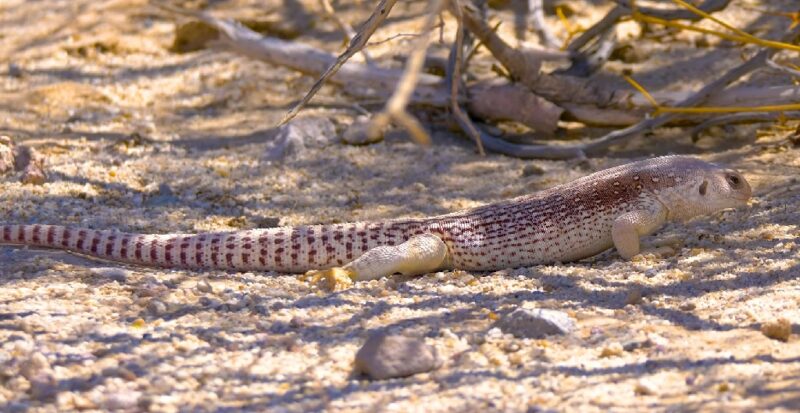
Where They Live. Hot, open flats and washes of the Mojave and Sonoran regions, often around creosote bush habitat.
Key Adaptations. Field activity and physiological performance remain strong at high body temperatures. A daily schedule follows a moving thermal map that defines basking, feeding, and retreat windows.
Diet And Behavior. Leaves, buds, and flowers dominate the menu, with insects added when available. A plant-forward strategy reduces the need for risky chases during peak heat.
2. Gila Monster ( Heloderma suspectum )
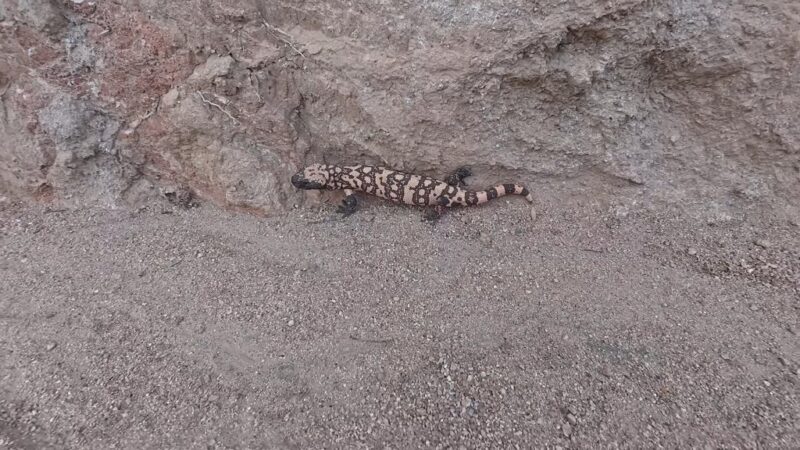
Where They Live. Arid and semi-arid habitats of the U.S. Southwest and northwestern Mexico, with heavy use of burrows and rocky shelters.
Key Adaptations. Venom glands in the lower jaw deliver venom through prolonged chewing bites. An underground lifestyle buffers heat and dehydration.
Diet And Behavior. Eggs and nestlings rank high when available, plus small mammals, birds, and reptiles. Feeding arrives in pulses that match seasonal availability.
3. Common Chuckwalla ( Sauromalus ater )
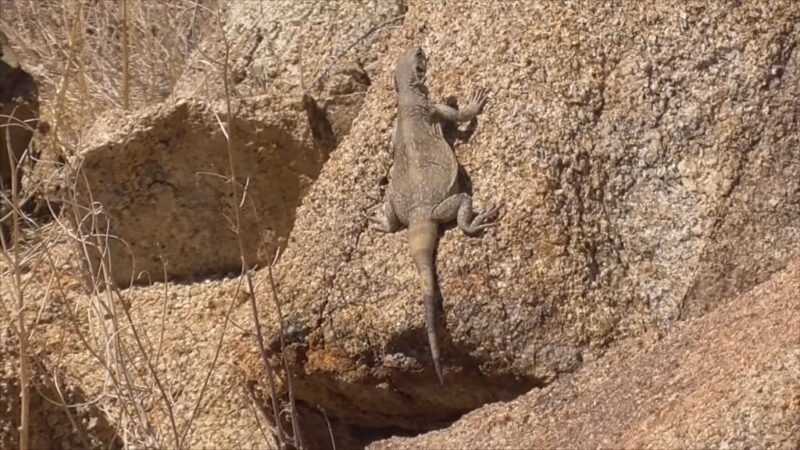
Where They Live. Rocky slopes, lava flows, and boulder fields in Mojave, Sonoran, and Great Basin deserts.
Key Adaptations. When threatened, a chuckwalla wedges into crevices and inflates the body, creating a lock. Water loss drops during inactive periods.
Diet And Behavior. Desert plants supply most calories and moisture.
4. Zebra-Tailed Lizard ( Callisaurus draconoides )
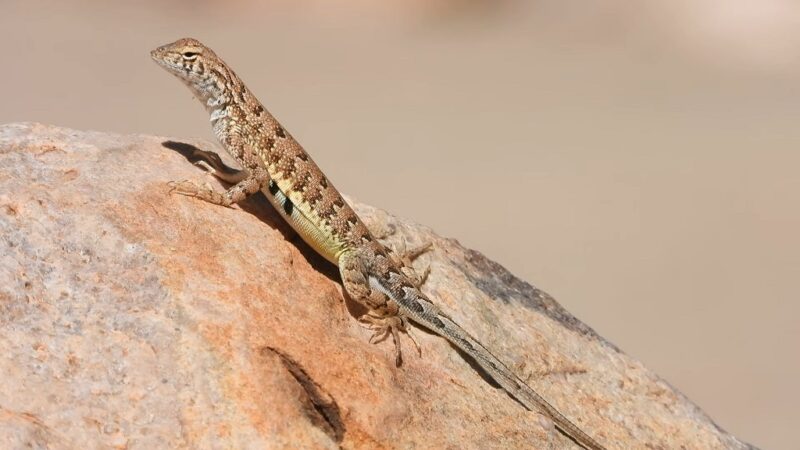
Where They Live. Sandy and gravelly flats, open washes, and desert scrub of the American Southwest.
Key Adaptations. Posture and sun orientation support fine-scale thermoregulation. Bold tail banding flashes during runs in open ground.
Diet And Behavior. Insects and small arthropods taken by fast dashes between cover patches.
5. Coachella Valley Fringe-Toed Lizard ( Uma inornata )
Where They Live. Windblown dunes and sandy flats of the Coachella Valley in the Colorado Desert.
Key Adaptations. Enlarged scales along the toes improve traction on loose sand. Rapid sand diving offers shelter and camouflage.
Diet And Behavior. Dune-active arthropods form the diet, with surface activity linked to seasonal temperatures.
6. Southern Desert Horned Lizard ( Phrynosoma platyrhinos )
Where They Live. Arid regions of the western U.S.
Key Adaptations. Ants serve as primary prey. Sandy soils allow burying and shallow burrows for heat management and predator avoidance.
Diet And Behavior. Short foraging bursts followed by stillness near selected microhabitats.
7. Texas Horned Lizard ( Phrynosoma cornutum )
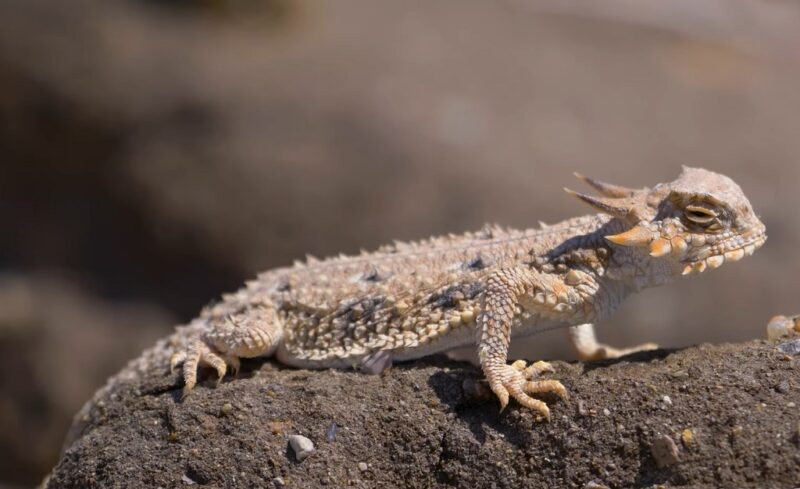
Where They Live. South-central U.S. and northeastern Mexico.
Key Adaptations. Ecology ties to harvester ants and similar prey, linking survival to land management and pesticide exposure. Horn structure and camouflage support predator deterrence.
Diet And Behavior. Limited movement near ant-rich patches during peak heat.
8. Desert Spiny Lizard ( Sceloporus magister )
Where They Live. Lower elevations of desert regions, using rocks, ground cover, and rodent burrows.
Key Adaptations. Flexible microhabitat use across ground, rock, and shade. Diet spans insects and occasional plant matter.
Diet And Behavior. A vantage-point strategy followed by short drops to capture prey.
9. Long-Nosed Leopard Lizard ( Gambelia wislizenii )
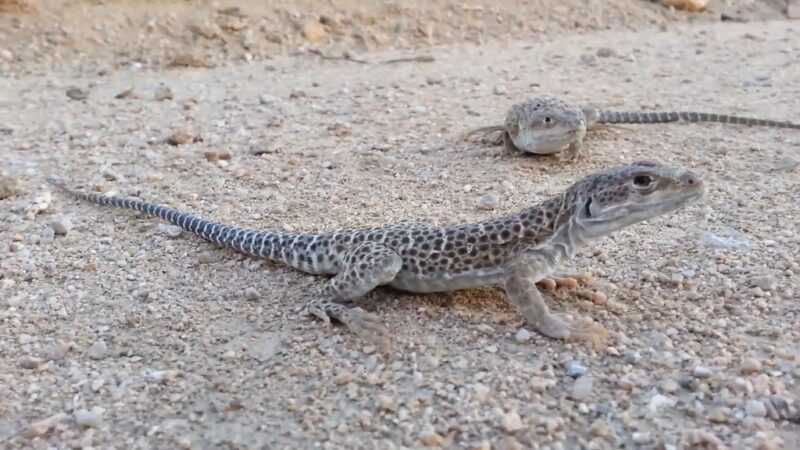
Where They Live. Desert scrub and semi-arid open habitats of the western U.S.
Key Adaptations. Speed and burst hunting across open terrain, paired with retreats to shade or burrows. Seasonal surface activity aligns with safe thermal windows.
Diet And Behavior. Insects, other lizards, and small vertebrates.
10. Side-Blotched Lizard ( Uta stansburiana )
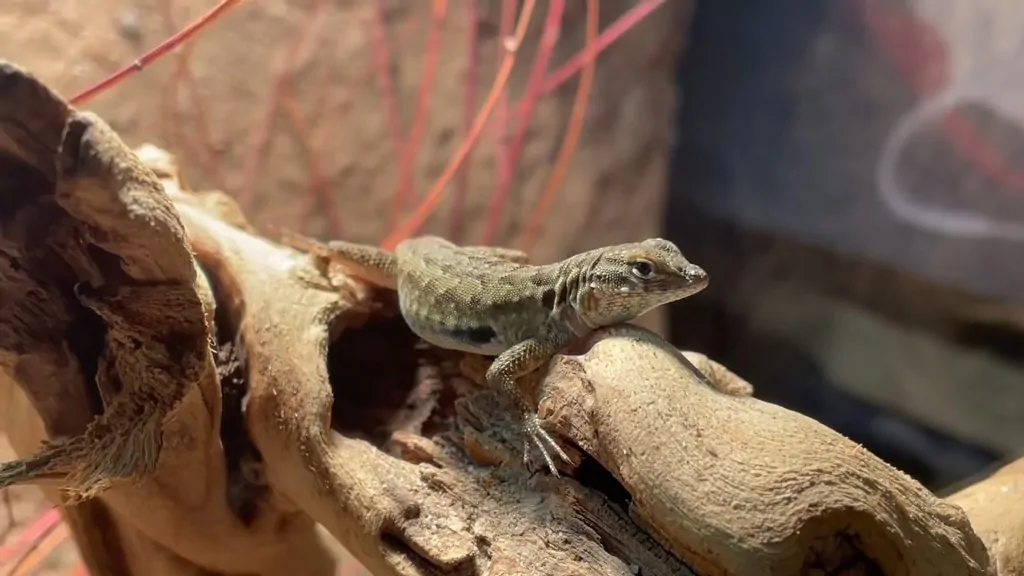
Where They Live. Widespread across western U.S. deserts.
Key Adaptations. Small size allows tight use of shade patches and tiny shelters. Fast life history supports rapid reproduction.
Diet And Behavior. Frequent short foraging bouts on arthropods.
11. Western Banded Gecko ( Coleonyx variegatus )
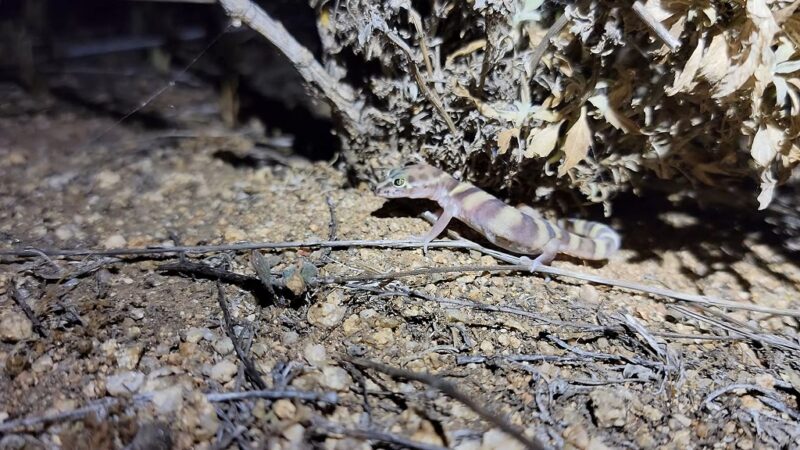
Where They Live. Desert and semi-desert habitats of the U.S. Southwest and adjacent Mexico.
Key Adaptations. Nocturnal activity reduces overheating. Eyelids and vertical pupils support low-light hunting.
Diet And Behavior. Night hunting of small invertebrates near cover.
12. Desert Night Lizard ( Xantusia vigilis )
Where They Live. Under desert plant debris, rock, and woody cover.
Key Adaptations. Shelter specialization buffers humidity and temperature swings. A low-exposure lifestyle reduces water loss and predation.
Diet And Behavior. Small arthropods taken while remaining hidden.
13. Namaqua Chameleon ( Chamaeleo namaquensis )
Where They Live. Arid western parts of southern Africa, including Namib regions.
Key Adaptations. Ground locomotion across open desert surfaces with strict timing and shelter use.
Diet And Behavior. Insects captured during favorable activity windows.
14. Namib Web-Footed Gecko ( Pachydactylus rangei )
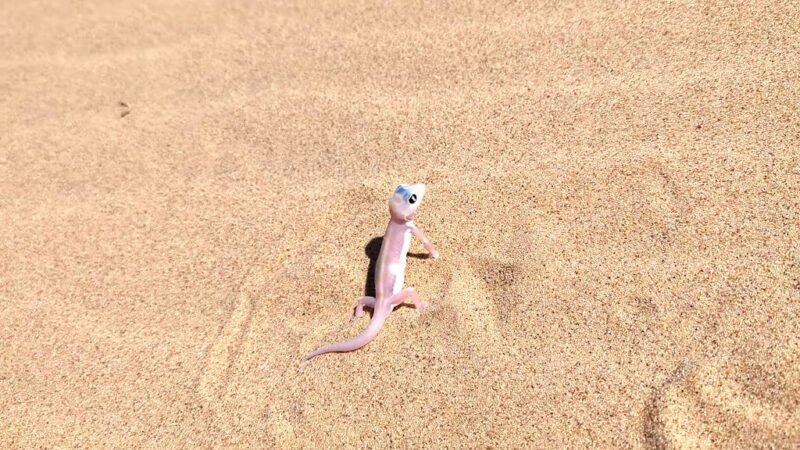
Where They Live. Endemic to Namib Desert dune ecosystems.
Key Adaptations. Webbed feet assist digging and sand movement during burrow construction. Burrows stabilize temperature and humidity.
Diet And Behavior. Nocturnal hunting of dune invertebrates.
15. Common Barking Gecko ( Ptenopus garrulus )
Where They Live. Arid and semi-arid southern Africa, including Kalahari and Namib areas.
Key Adaptations. Deep burrows with branching structure in loose soils. Crepuscular timing reduces thermal stress. Males vocalize near burrow entrances.
Diet And Behavior. Arthropods taken near burrows.
16. Sandfish Skink ( Scincus scincus )
View this post on Instagram
Where They Live. Saharan and related arid sandy regions.
Key Adaptations. Subsurface locomotion through sand functions like swimming. Staying 1–3 cm below the surface reduces exposure to peak surface temperatures.
Diet And Behavior. Short surface visits for feeding and reproduction followed by rapid retreat below sand.
17. Armadillo Girdled Lizard ( Ouroborus cataphractus )
Where They Live. Arid and semi-arid South Africa, including the Succulent Karoo.
Key Adaptations. Heavy spiny scales and a curl defense reduce predator success. Crevice refuges serve as thermal shelters.
Diet And Behavior. Invertebrates form the main diet with strong site fidelity.
18. Egyptian Spiny-Tailed Lizard (Dhub) ( Uromastyx aegyptia )
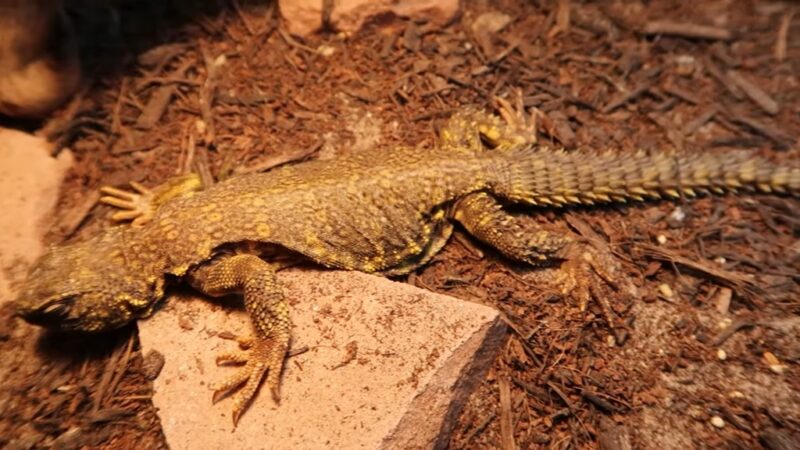
Where They Live. Saharo-Arabian deserts.
Key Adaptations. Burrow engineering provides thermal stability and protection. Trade pressure remains a documented concern.
Diet And Behavior. Desert plants and seeds, with basking near burrow entrances and fast retreats.
19. Desert Monitor ( Varanus griseus )
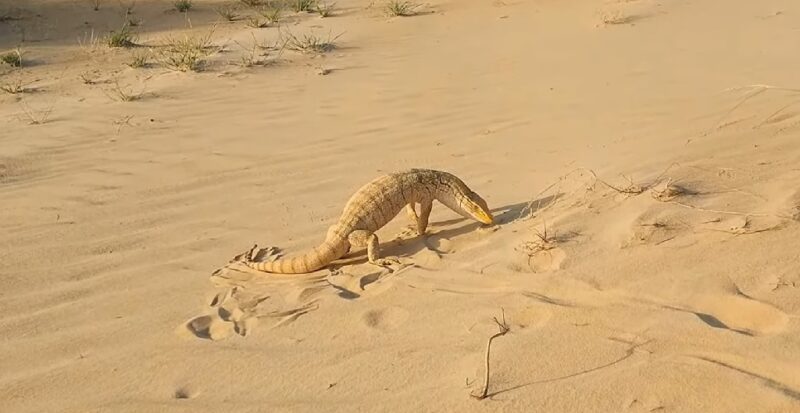
Where They Live. Deserts across North Africa, parts of the Middle East, and Central Asia.
Key Adaptations. Burrow use combined with wide-ranging foraging loops. Predatory flexibility across insects, small mammals, birds, and reptiles.
Diet And Behavior. Morning and late afternoon hunting windows.
20. Sinai Agama ( Pseudotrapelus sinaitus )
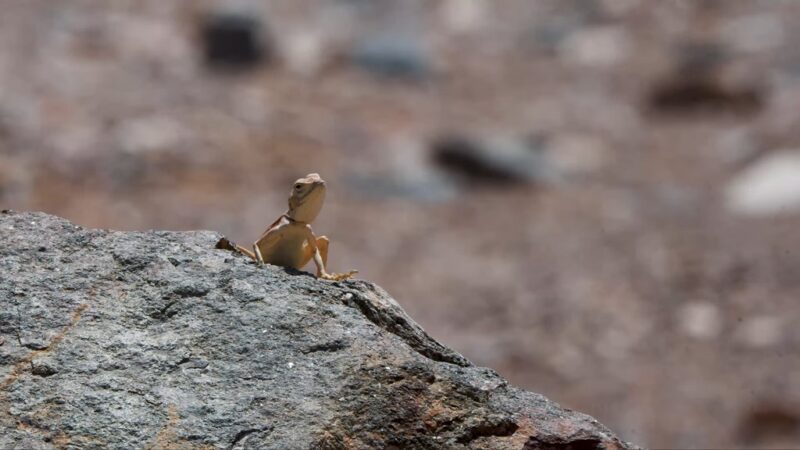
Where They Live. Very arid rocky habitats, including mountainous and hilly areas.
Key Adaptations. Speed across rock with immediate access to crevices. Males display strong coloration during breeding.
Diet And Behavior. Insects and small prey taken after rapid morning warmup on exposed rocks.
21. Thorny Devil ( Moloch horridus )
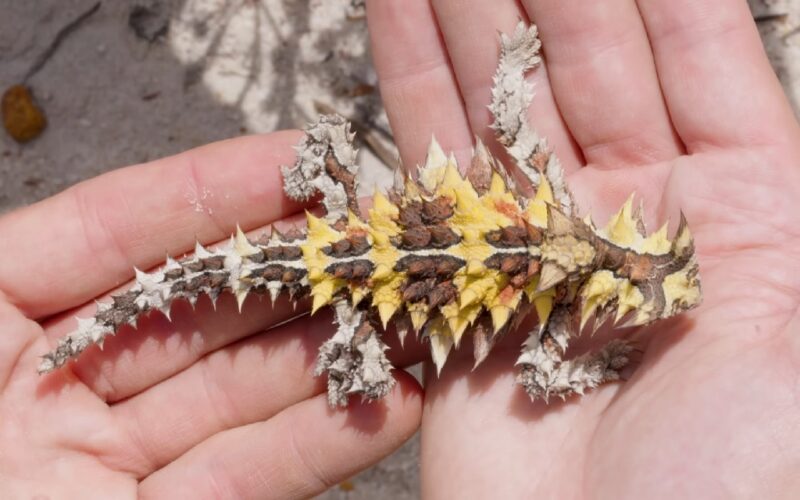
Where They Live. Arid and semi-arid interior Australia.
Key Adaptations. Skin microstructures move collected moisture toward the mouth region. Spines and camouflage disrupt the outline.
Diet And Behavior. High-volume ant feeding with activity in cooler parts of the day.
22. Central Bearded Dragon ( Pogona vitticeps )
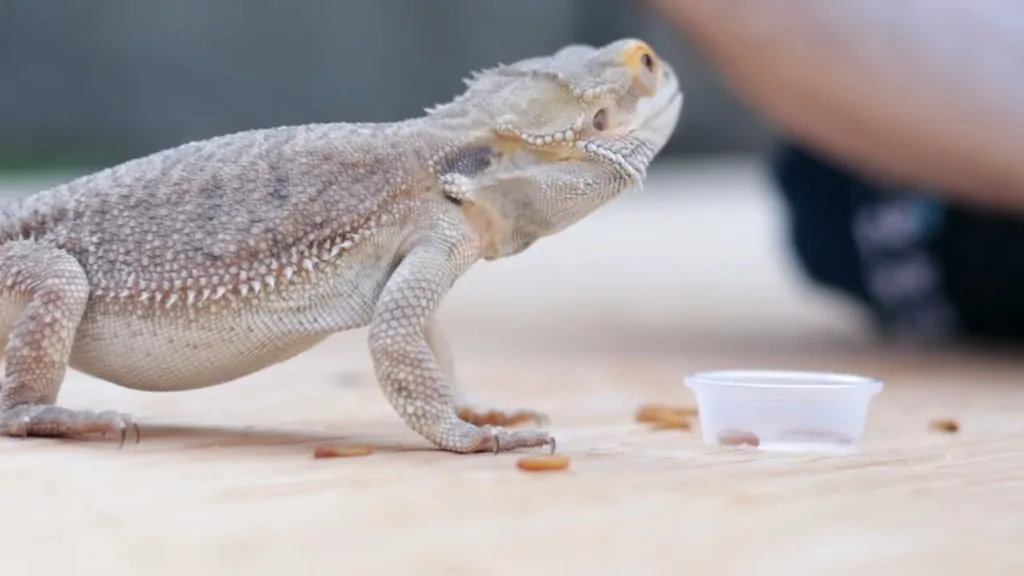
Where They Live. Australia’s interior arid and semi-arid regions across woodland, scrub, and desert edges.
Key Adaptations. Omnivory supports seasonal switching. Basking and shelter use manage daily temperature swings.
Diet And Behavior. Invertebrates and plant material with seasonally shaped activity.
23. Shingleback Lizard ( Tiliqua rugosa )
Where They Live. Low-rainfall regions across arid to semi-arid Australia.
Key Adaptations. Armor-like scales and a stout build reduce predation risk. A conservative life history pairs with careful timing in hot weather.
Diet And Behavior. Vegetation and invertebrates, with cautious use of open areas during mild conditions.
Field Notes For Observers
- Early morning and late afternoon offer the highest surface activity across many species.
- Shade islands under shrubs and rock ledges serve as traffic hubs.
- Tracks on dunes reveal fringed toes and webbed feet at work.
- Burrow entrances often show fresh spoil after cool nights.
Closing Thoughts
Desert lizards succeed by stacking small advantages, then following the clock. Timing, posture, shelter, and diet form a working system that keeps body temperature and body water inside narrow limits.
Across continents, the same logic appears in different forms, from sand swimmers of the Sahara to armored skinks of Australia.