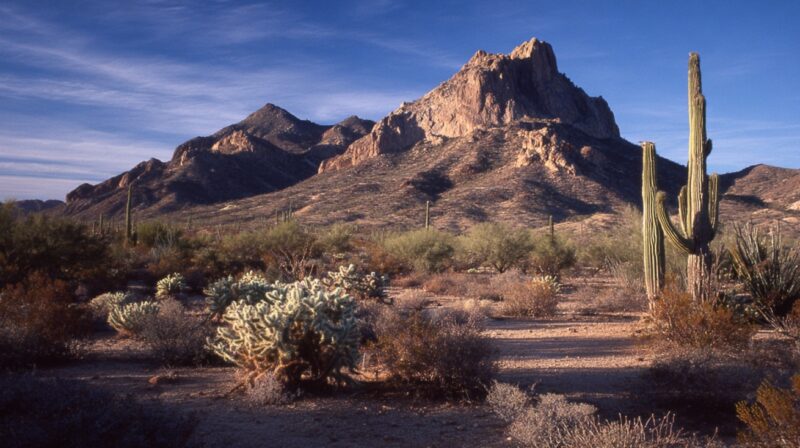
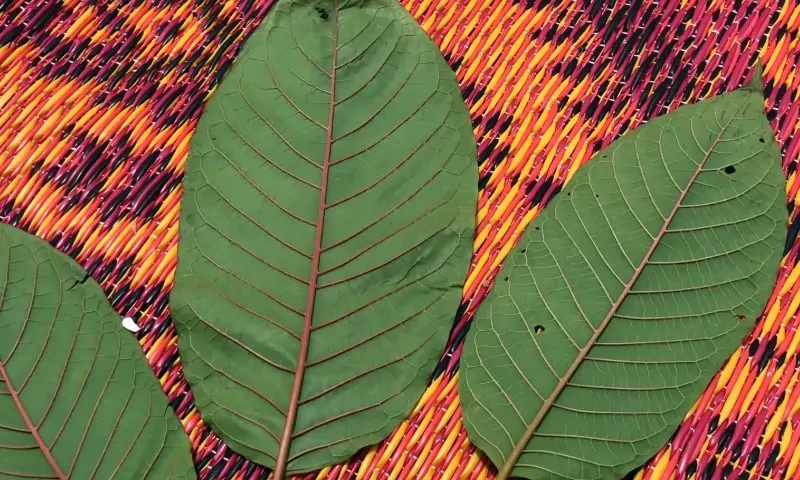
Yes. A small but well-documented group of ancient desert plants is still actively used today by nomadic tribes across North Africa, the Middle East, Central Asia, and parts of the Sahara and Arabian deserts. These plants are not symbolic survivals or tourist folklore.
They remain part of daily medical practice for wound care, digestive illness, infections, fever management, and dehydration-related stress.
Ethnobotanical field studies from the 19th century through modern WHO-backed surveys confirm continuous, uninterrupted use of specific species that predate written medicine by millennia.
1. Aloe vera – Internal Hydration and Skin Repair in Arid Travel
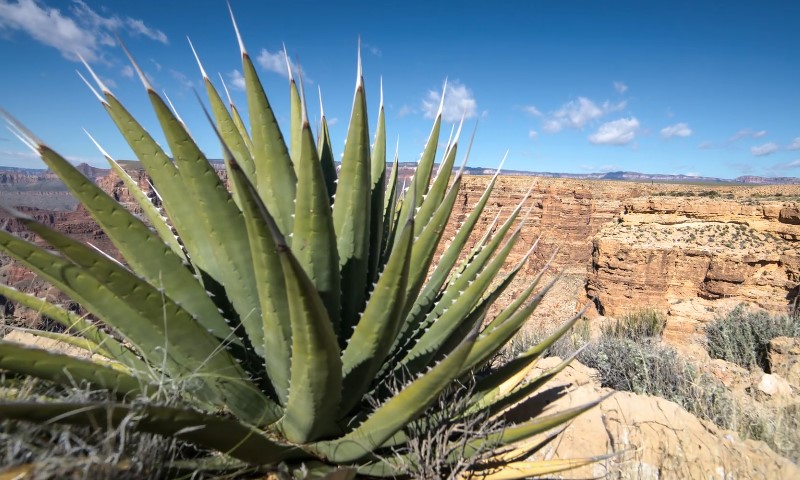
Aloe vera has been used by desert nomads for at least 4,000 years, with written references appearing in Egyptian medical papyri dated to around 1500 BCE. Among Bedouin communities of the Arabian Peninsula and Saharan trade routes, aloe gel was traditionally consumed in small quantities to support hydration and applied externally to treat burns, saddle sores, and infected wounds.
The plant’s relevance in desert medicine lies in its mucopolysaccharides, particularly acemannan, which slows moisture loss and promotes epithelial repair. Modern laboratory studies confirm that aloe gel accelerates wound healing by increasing fibroblast activity and collagen deposition. Nomadic use avoids concentrated latex, focusing instead on fresh inner gel to prevent laxative effects.
| Aspect | Details |
| Documented use | ≥1500 BCE |
| Primary application | Burns, dehydration, stress, and skin infection |
| Active compounds | Acemannan, polysaccharides |
| Modern validation | WHO monographs, dermatological studies |
| Nomadic preparation | Fresh leaf gel, topical or diluted oral use |
2. Myrrh (Commiphora spp.) – Antiseptic Resin for Wounds and Oral Infections
Myrrh resin, harvested from Commiphora trees, has been used continuously by nomadic populations in the Horn of Africa and Arabian deserts. Tuareg traders historically carried dried resin as a portable antiseptic, chewing small fragments for oral infections or dissolving it in water to clean wounds.
Chemical analysis shows myrrh contains sesquiterpenes and furanodienes with strong antibacterial and antifungal effects. Clinical studies demonstrate inhibitory action against Streptococcus and Candida species, aligning precisely with traditional oral-health uses.
Unlike modern tinctures, nomadic preparation avoids alcohol extraction, relying instead on direct resin contact or low-temperature infusion.
| Aspect | Details |
| Use history | ≥2000 BCE |
| Typical treatment | Wounds, mouth infections |
| Key compounds | Sesquiterpenes |
| Evidence base | Antimicrobial lab studies |
| Storage advantage | Resin is stable in extreme heat |
3. Frankincense (Boswellia sacra) – Inflammation and Joint Pain Relief
Frankincense, sourced from Boswellia trees, remains a central anti-inflammatory remedy among nomadic groups in Oman, Yemen, and Somalia. Resin is chewed or brewed into mild decoctions to manage joint pain after long travel periods.
Boswellic acids inhibit 5-lipoxygenase pathways, reducing inflammatory leukotriene production. This mechanism has been confirmed in multiple pharmacological trials, including controlled studies on osteoarthritis patients.
Nomadic usage emphasizes small, frequent doses rather than concentrated extracts, which aligns with safety data showing dose-dependent gastrointestinal effects.
4. Harmal (Peganum harmala) – Antiparasitic and Antimicrobial Seed Use
Peganum harmala, known as harmal or Syrian rue, grows in saline desert soils and has been used for centuries by Central Asian and North African nomads. Seeds are burned to disinfect living spaces or ground in minute quantities for intestinal parasite management.
Harmala alkaloids exhibit strong antimicrobial and antiparasitic properties. Modern studies confirm activity against protozoa and helminths but also document toxicity at higher doses. Nomadic knowledge includes strict dosage control, typically limiting use to external fumigation or micro-doses.
| Aspect | Details |
| Main application | Parasites, disinfection |
| Active agents | Harmala alkaloids |
| Toxicity risk | High if misused |
| Traditional safeguard | External fumigation preferred |
| Modern stance | Controlled medicinal interest |
5. Senna (Senna alexandrina) – Controlled Laxative for Travel-Related Illness
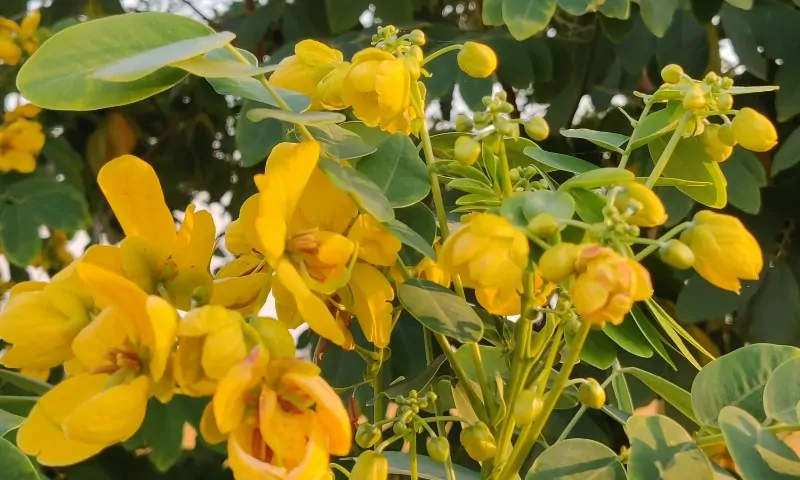
Senna leaves have been used since at least the 9th century in desert caravan medicine to manage constipation caused by dehydration and limited fiber intake. Nomads prepare weak infusions rather than strong decoctions, minimizing cramping.
The plant’s anthraquinone glycosides stimulate intestinal motility, a mechanism thoroughly documented in modern pharmacology. Overuse risks were historically mitigated by strict use intervals, and knowledge was still preserved among elder healers.
6. Arak Tree (Salvadora persica) – Oral Health Through Chewing Sticks
Salvadora persica, known for producing miswak chewing sticks, remains in daily use among nomadic and semi-nomadic populations. Mechanical plaque removal is combined with chemical antibacterial action from benzyl isothiocyanate.
Clinical trials show miswak use reduces oral bacteria and gingivitis at levels comparable to modern toothbrushes when used correctly. Its value in desert life lies in zero water requirement and long shelf life.
7. Desert Thyme (Thymus bovei) – Respiratory and Digestive Support
Desert thyme species are brewed as teas to manage coughs, bloating, and mild infections. Thymol and carvacrol provide antimicrobial and antispasmodic effects.
Ethnobotanical surveys in Sinai and Negev regions confirm ongoing use among Bedouin groups, particularly during winter respiratory illness spikes.
8. Acacia (Acacia tortilis) – Gum and Bark for Gut Protection
Acacia gum, also known as gum arabic, is consumed to soothe gastric irritation and diarrhea. Modern research identifies it as a prebiotic fiber that stabilizes gut microbiota.
Nomadic use focuses on low-dose dissolution in water, particularly during prolonged fasting or illness.
9. Desert Date (Balanites aegyptiaca) – Antimicrobial Oil and Nutrition
The desert date tree provides oil-rich seeds used for skin infections and parasitic skin conditions. Laboratory testing confirms antimicrobial activity and fatty acid profiles suitable for topical healing.
Seeds also offer emergency nutrition during drought periods, a dual medical and survival function.
10. Ephedra (Ephedra alata) – Respiratory Stimulation and Fatigue Management
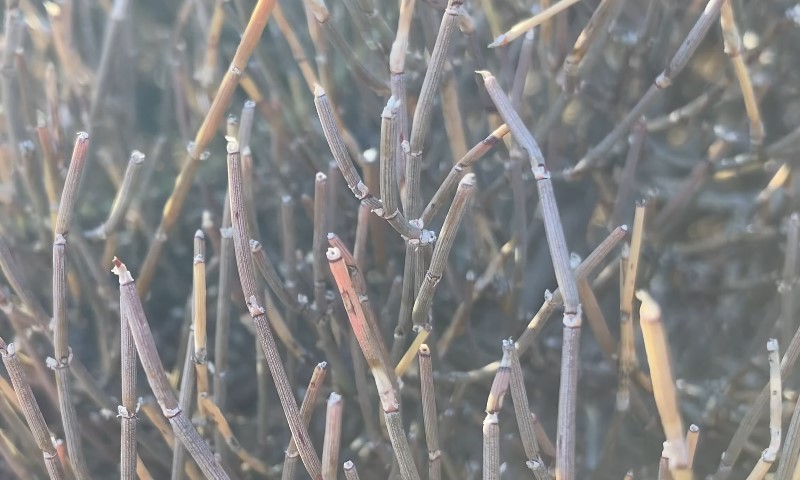
Ephedra species were historically brewed in mild teas to relieve asthma-like symptoms and extreme fatigue during cold desert nights. Ephedrine alkaloids stimulate bronchodilation, a mechanism later adopted into modern medicine.
Nomadic use was carefully timed and limited, avoiding continuous intake to prevent overstimulation.
| Aspect | Traditional Use | Modern Status |
| Dose | Very low | Regulated |
| Purpose | Breathing, fatigue | Pharmaceuticals |
| Risk awareness | High | High |
| Cultural continuity | Yes | Limited |
Closing Perspective
These ten plants remain in use because they solve specific physiological problems created by desert life: dehydration, infection risk, digestive disruption, and musculoskeletal strain. Their continued application is not accidental.
It reflects cumulative medical testing across generations under conditions where ineffective treatments would not survive.
Modern pharmacology has repeatedly validated the biochemical logic behind these practices, often centuries after nomadic systems refined them.