For bearded dragon owners, most serious health problems do not start as emergencies.
They develop slowly from husbandry mistakes, dehydration, nutritional imbalance, or environmental stress, and by the time obvious symptoms appear, the condition may already be advanced.
The good news is that many of the most common desert reptile diseases can be stabilized early at home if you recognize the warning signs and act correctly.
First aid does not replace a reptile veterinarian, but it can prevent rapid decline, reduce suffering, and dramatically improve outcomes.
Why Desert Reptiles Get Sick in Captivity
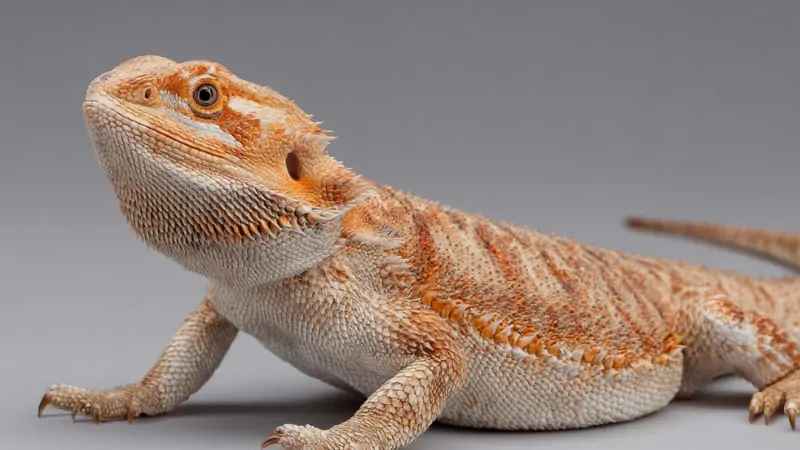
Bearded dragons evolved in arid Australian environments with intense sunlight, seasonal food availability, and wide temperature swings. Captive conditions often mimic the look of a desert but fail to replicate the biological inputs that keep reptiles healthy.
Artificial UVB that is too weak or too old, constant access to food, improper calcium balance, low humidity combined with dehydration, and chronic stress all weaken the immune system over time.
Most diseases listed below are not random. They are the result of long-term physiological strain, which is why early intervention focuses as much on correcting the environment as treating symptoms.
1. Metabolic Bone Disease (MBD)
Metabolic Bone Disease is the most common and most devastating illness seen in captive bearded dragons. It develops when calcium metabolism fails, usually due to inadequate UVB exposure, insufficient dietary calcium, or improper calcium-to-phosphorus ratios.
As calcium levels drop, the body begins pulling calcium from the bones to maintain vital functions. Bones soften, deform, and fracture under normal movement. Early signs are subtle and often missed until damage is significant.
Typical symptoms include tremors, jaw softening, swollen limbs, lethargy, and difficulty walking or climbing. In advanced cases, paralysis or severe skeletal deformities occur.
First-Aid Response for MBD
Immediate first aid focuses on stabilization, not reversal. Increase access to high-quality UVB lighting positioned at the correct distance and angle.
Dust all feeder insects with calcium without phosphorus. Reduce climbing opportunities to prevent fractures. Keep the enclosure warm to support digestion and calcium absorption.
MBD always requires veterinary care, but early first aid can prevent permanent damage while you arrange treatment.
Metabolic Bone Disease Overview
Aspect
Details
Primary cause
UVB or calcium deficiency
Early signs
Tremors, weak grip
Emergency risk
Fractures, paralysis
First-aid goal
Stabilize calcium metabolism
2. Dehydration and Kidney Stress
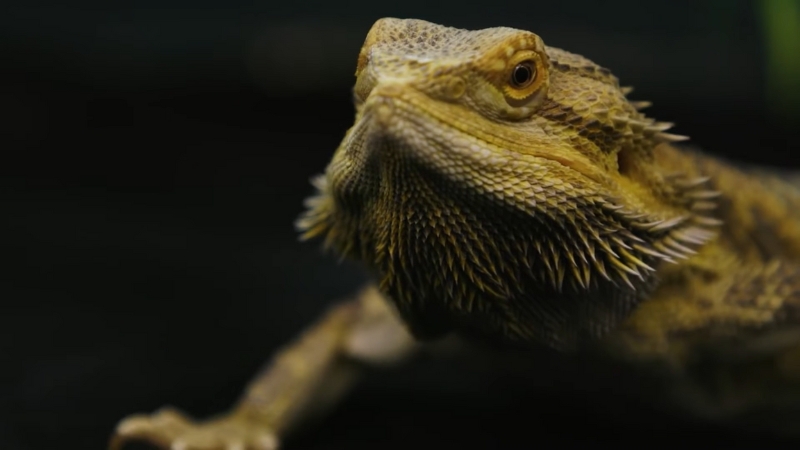
Desert reptiles conserve water efficiently, but captivity often pushes them beyond safe limits. Chronic low humidity, lack of fresh greens, and reliance on dry insects can lead to dehydration and kidney strain.
Unlike mammals, reptiles do not always drink from standing water, so dehydration often goes unnoticed.
Symptoms include sunken eyes, wrinkled skin, thick saliva, reduced urination, lethargy, and loss of appetite. Over time, dehydration contributes to gout and kidney failure.
First-Aid Response for Dehydration
Offer oral hydration using dripping water on the snout, allowing the dragon to lick voluntarily. Provide warm shallow soaks for 10–15 minutes, ensuring the head remains above water.
Increase moisture-rich vegetables such as squash and leafy greens.
Avoid force-feeding water, which can cause aspiration.
Dehydration Indicators and Action
Sign
What It Means
First-Aid Step
Sunken eyes
Fluid deficit
Oral dripping
Wrinkled skin
Chronic dehydration
Daily soaks
Lethargy
System stress
Temperature check
3. Respiratory Infections
View this post on Instagram
Respiratory infections in bearded dragons are often caused by incorrect temperatures, especially low nighttime heat combined with stress or dehydration.
Bacteria flourish when the immune system is weakened by cold or damp conditions.
Symptoms include open-mouth breathing, wheezing, nasal discharge, head elevation, and lethargy. Left untreated, respiratory infections can spread rapidly to the lungs.
First-Aid Response for Respiratory Issues
Immediately raise enclosure temperatures to the high end of the safe range to support immune function.
Ensure the basking spot is hot enough and nighttime temperatures do not drop excessively. Reduce humidity and eliminate drafts.
Do not administer antibiotics without veterinary guidance. First aid aims to prevent worsening while arranging professional treatment.
Respiratory Infection Red Flags
Symptom
Severity
Occasional mouth breathing
Moderate
Mucus bubbles
Serious
Wheezing sounds
Serious
Refusal to bask
Emergency
4. Parasites (Internal)
Most captive bearded dragons carry low levels of internal parasites, but stress, poor nutrition, or unsanitary conditions allow these populations to explode.
Parasites interfere with nutrient absorption and weaken the immune system.
Symptoms include weight loss despite eating, foul-smelling or watery stools, bloating, lethargy, and poor growth in juveniles.
First-Aid Response for Suspected Parasites
First aid focuses on supportive care, not treatment. Maintain optimal temperatures, ensure hydration, and isolate the affected animal to prevent spread. Clean the enclosure thoroughly and remove porous décor.
Definitive diagnosis and treatment require a fecal exam by a reptile veterinarian.
Parasite Warning Signs
Indicator
Common Meaning
Weight loss
Malabsorption
Diarrhea
Gut irritation
Poor growth
Chronic infection
5. Mouth Rot (Infectious Stomatitis)
@kirascritters She has a piece of mealworm in her mouth and I need to clean her back teeth but looking good #mutuals #reptiles #propercare #beardeddragon #reptilecommunity ♬ original sound – ooslo
Mouth rot occurs when bacteria invade damaged oral tissue, often due to stress, injury, or poor immune function. It begins subtly and can spread to the bone if untreated.
Signs include swollen gums, yellow or white plaques, bleeding, foul odor, and reluctance to eat.
First-Aid Response for Mouth Rot
Gently clean the mouth using a cotton swab and diluted antiseptic recommended for reptiles. Improve enclosure hygiene and ensure proper temperatures. Do not scrape lesions aggressively, as this worsens tissue damage.
Veterinary antibiotics are usually required, but early cleaning can slow progression.
Mouth Rot Progression
Stage
Visible Signs
Early
Red gums
Moderate
White plaques
Advanced
Bone involvement
When First Aid Is Not Enough
First aid is appropriate for stabilization, not cure. Immediate veterinary care is required if:
Delaying treatment in these cases significantly reduces survival chances.
Preventing Disease Through the Environment
Most desert reptile diseases are preventable. Correct UVB lighting, proper heat gradients, balanced nutrition, hydration access, and routine observation prevent the majority of cases described here.
Preventive Care Priorities
Factor
Importance
UVB quality
Critical
Temperature gradient
Critical
Diet balance
High
Clean enclosure
High