Kids reach for screens all day. Parents see that pattern and often feel stuck between fighting it or giving in. Nature ebooks give you a cleaner lane to work with. They feed curiosity right away, then nudge a child back into the real world with sharper eyes.
A good pick can turn a walk to the mailbox into a tiny field study. A backyard patch becomes an ecosystem. Even a planter on a window starts looking busy.
Common Sense Media reports that kids 8 and under spend about 2 hours 27 minutes a day on screen media. Ages 5 to 8 sit even higher at roughly 3 hours 28 minutes.
When digital time is already locked into the routine, nature ebooks help redirect it toward something that adds awareness, pattern spotting, and a bit of science literacy.
The list below comes from a simple set of filters. Only reputable publishers. Only ebooks that show up through standard channels like OverDrive Read, Kindle Book, or EPUB ebook formats.
Only titles that hold up when kids return for a third or fourth read. Only books with visuals that actually teach. And only picks that work well for animals, plants, habitats, or basic ecology.
Quick Shortlist Table
| Ebook | Best age band | Strong on | Why it works |
| A Seed Is Sleepy | 4 to 8 | plants | variety of seeds, movement, germination |
| A Butterfly Is Patient | 5 to 9 | animals | butterfly life cycle and diversity |
| An Egg Is Quiet | 5 to 9 | animals | species differences through eggs |
| Up in the Garden and Down in the Dirt | 4 to 8 | plants and bugs | garden ecology across seasons |
| The Curious Garden | 4 to 8 | plants | memorable story about growth and care |
| Little Kids First Big Book of Bugs | 4 to 8 | animals | |
| Kids First Big Book of Birds | 4 to 8 | animals | entry level bird habits and variety |
| First Big Book of the Ocean | 5 to 9 | animals | marine habitats and kid friendly facts |
| Little Kids First Big Book of the Rain Forest | 5 to 9 | plants and animals | layers of the rain forest and biodiversity |
| Trees, Leaves, Flowers and Seeds | 7 to 12 | plants | plant parts and classification |
| The Secret World of Plants | 7 to 11 | plants | plant adaptations and ecological roles |
| Blue Morpho Butterfly | 7 to 12 | nature mix | specimen style pages that reward curiosity |
| Weird and Wonderful Nature | 7 to 12 | animals and plants | unusual species and survival strategies |
| The Burgess Animal Book for Children | 7 to 12 | animals | classic natural history with narrative flow |
| The Burgess Bird Book for Children | 7 to 12 | animals | bird traits explained through story |
Note: Before building a reading list, many parents run a quick check with something like ChatGPT Zero to confirm that summaries or reviews they find online feel reliable.
1.A Seed Is Sleepy – Dianna Hutts Aston and Sylvia Long
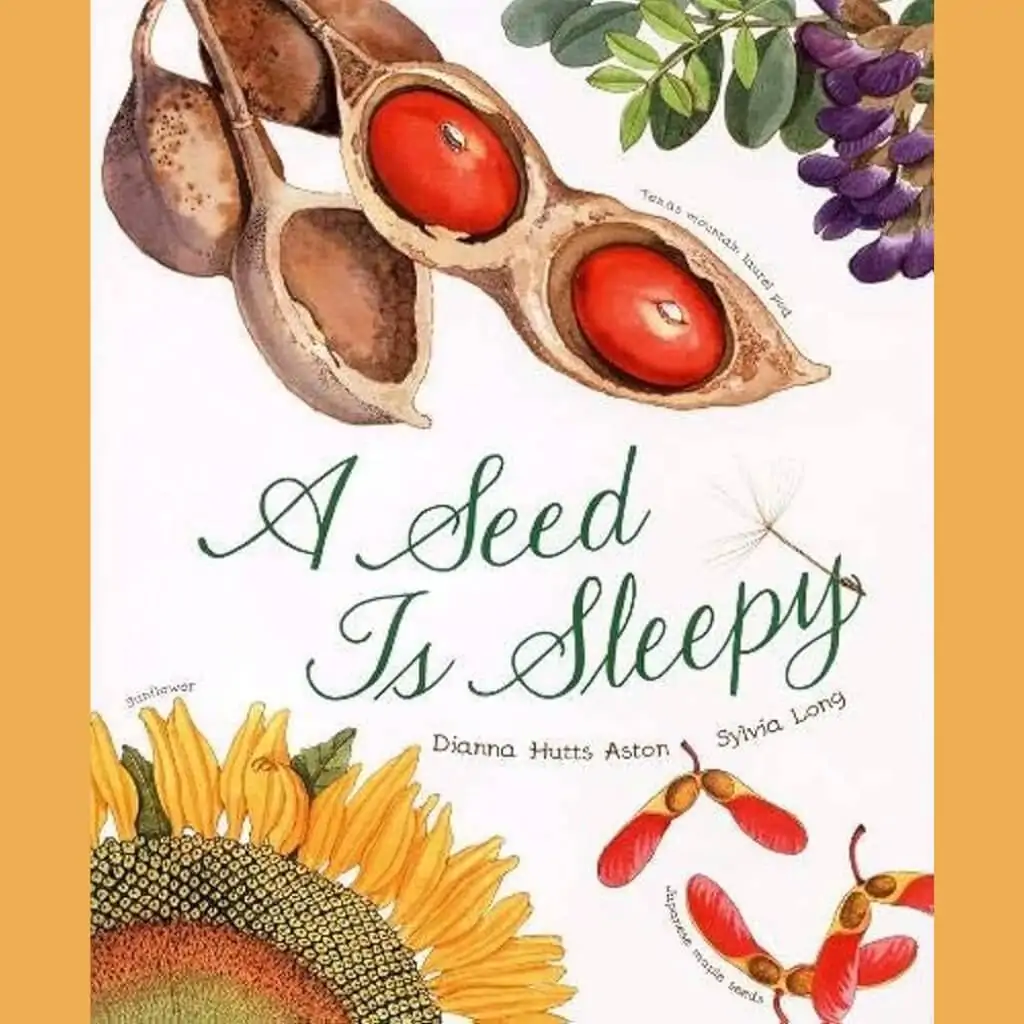
Kids grab onto seeds easily. They can hold them. Shake them. Sort them. The ebook version pulls that instinct into something more structured. It shows seeds that float on water, glide on air, or cling to fur.
The language stays gentle, yet the science stays correct. A child can browse a page out of order or listen to it from start to finish. Either way, the message lands.
2.A Butterfly Is Patient – Dianna Hutts Aston and Sylvia Long
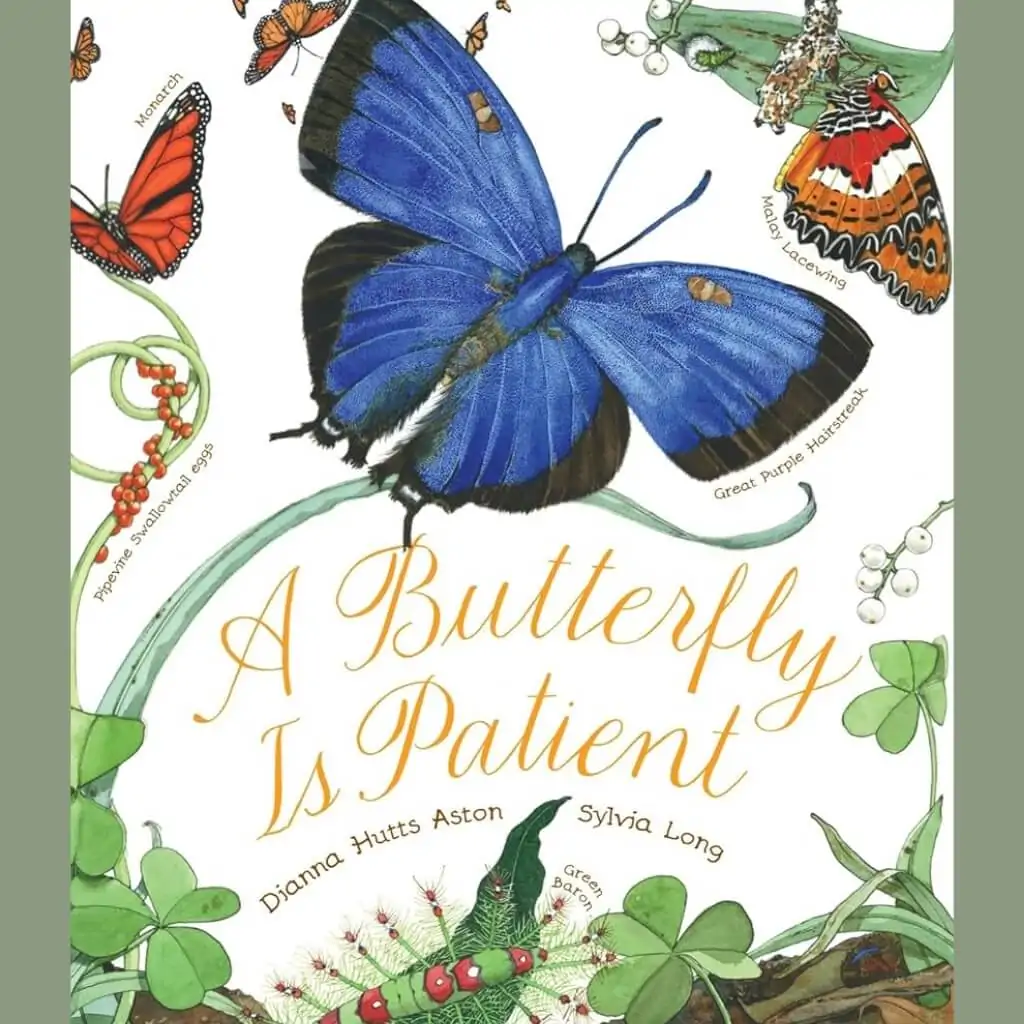
Butterflies make nature feel reachable. A child only needs one sunny day and a patch of flowers to see something from the book come alive.
The ebook design supports quick scanning. The life cycle pages work well for kids who like patterns. The variety pages pull in the child who wants color and shape.
3.An Egg Is Quiet – Dianna Hutts Aston and Sylvia Long
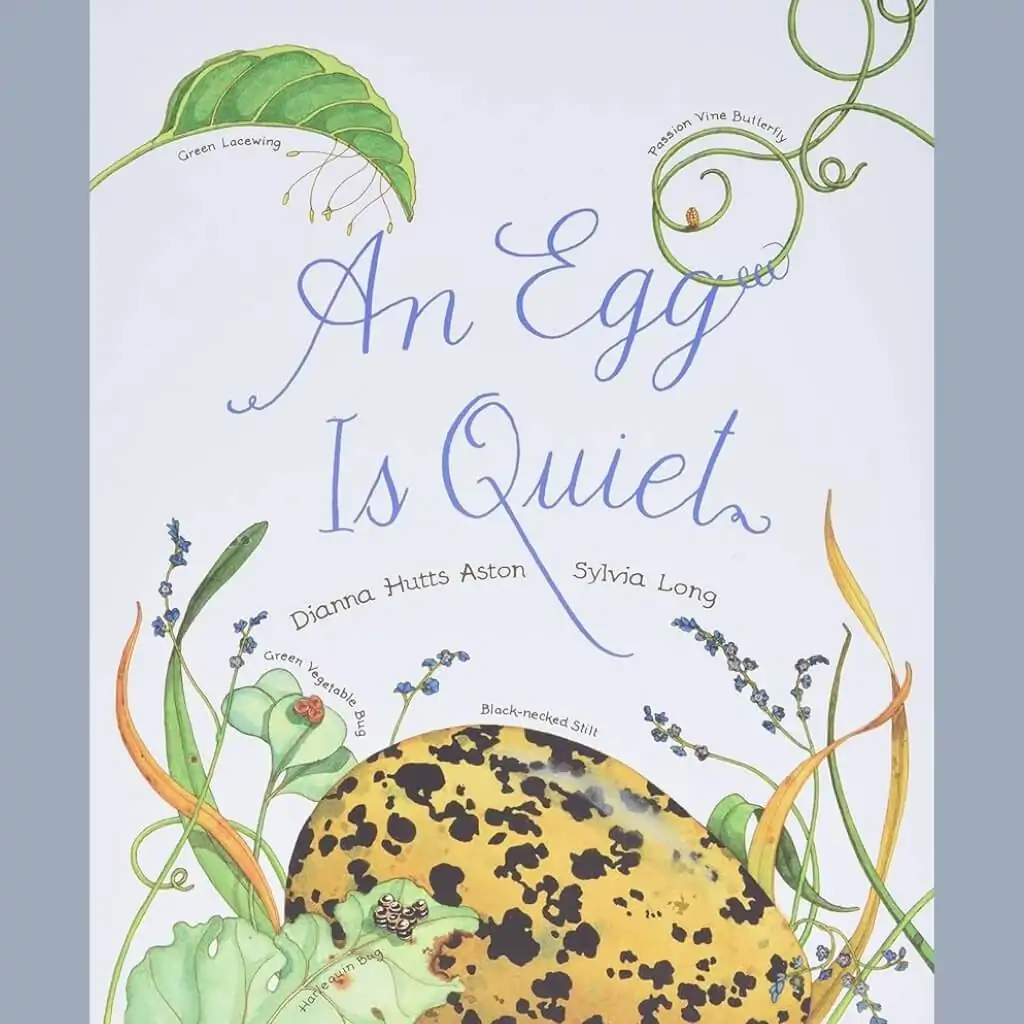
Eggs carry a strange power. They simplify animal differences into something a kid can see right away. Big eggs. Small eggs. Speckled eggs. Camouflaged eggs.
The book turns all that into a visual game while still delivering real natural history. Ebook availability in libraries makes it easy for kids to flip without damaging a printed copy.
4.Up in the Garden and Down in the Dirt – Kate Messner and Christopher Silas Neal
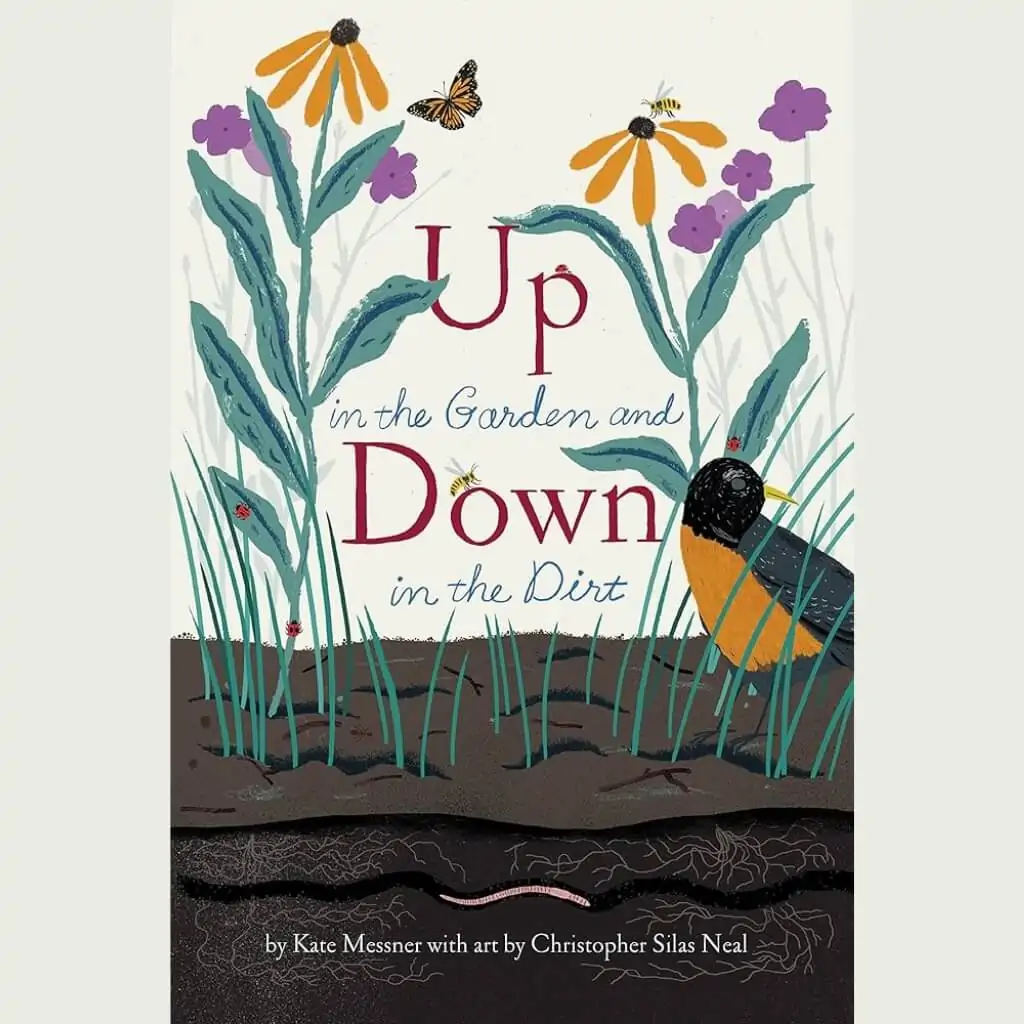
A garden is a testing ground. Kids can check almost everything in this book by going outside and poking around. The story moves through a year and shows two layers. The top layer carries plants, growth, and sunlight.
The bottom layer holds roots, worms, beetles, and soil life. The ebook keeps that two-layer rhythm clean and easy to follow.
5.The Curious Garden – Peter Brown
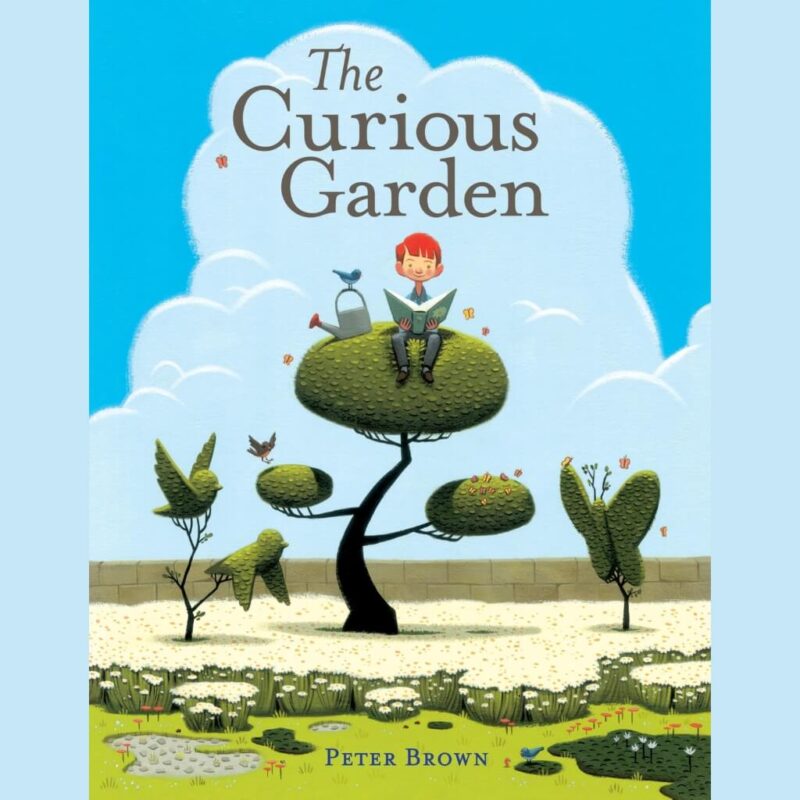
A story can still teach ecology when it centers on care, patience, and gradual change. Kids latch onto the idea of a garden spreading across a dull city, and that mental picture sticks. It builds a sense of responsibility without turning into a lecture.
6.Little Kids First Big Book of Bugs – National Geographic Kids
Insects trigger curiosity quickly because they appear everywhere. The ebook edition leans into color, scale, and behavior.
It opens the door for close looking, even for kids who normally brush past bugs. Many kids remember one or two standout species and then spend the next week trying to find them outdoors.
7.Little Kids First Big Book of Birds – National Geographic Kids
Birds move fast. Kids see them daily but rarely register their details. The ebook format helps slow that down.
Big images, simple categories, and quick facts give just enough structure for basic bird recognition. It works well for early readers because they can jump to any page without losing the thread.
8.First Big Book of the Ocean – National Geographic Kids
Marine life grabs attention instantly. Bright fish. Deep-sea creatures. Sharks that feel huge on a tablet screen. The ebook format makes it easy to revisit favorite pages.
Kids often scroll back to the same reef spread or the same jellyfish photo and quietly absorb new details each time. It sparks habitat thinking early.
9.Little Kids First Big Book of the Rain Forest – National Geographic Kids
A rainforest carries layers that kids can map right away. Canopy, understory, forest floor. Visualizing those layers helps children sort animals and plants in a simple framework.
The ebook format handles that vertical idea nicely because you can scroll or tap through sections that feel like stacked worlds.
10.Trees, Leaves, Flowers and Seeds – DK
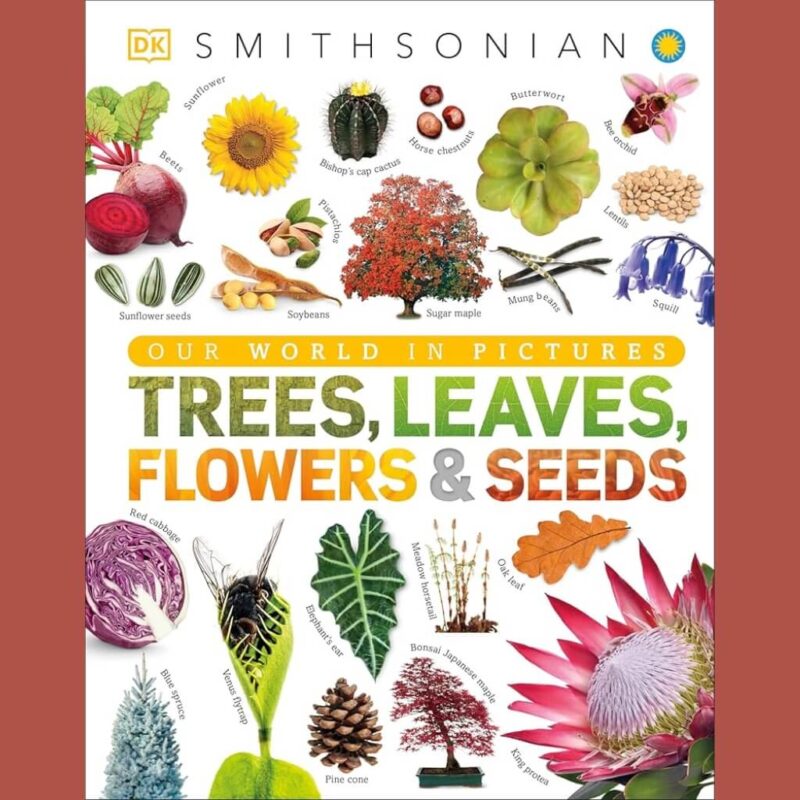
Older kids who want real detail tend to enjoy DK’s visual encyclopedia style. Pages show plant parts, leaf shapes, pollination mechanics, classification patterns, and seed differences across species. It works well for independent reading because each page acts like a small lesson.
11.The Secret World of Plants – Ben Hoare, DK Treasures series
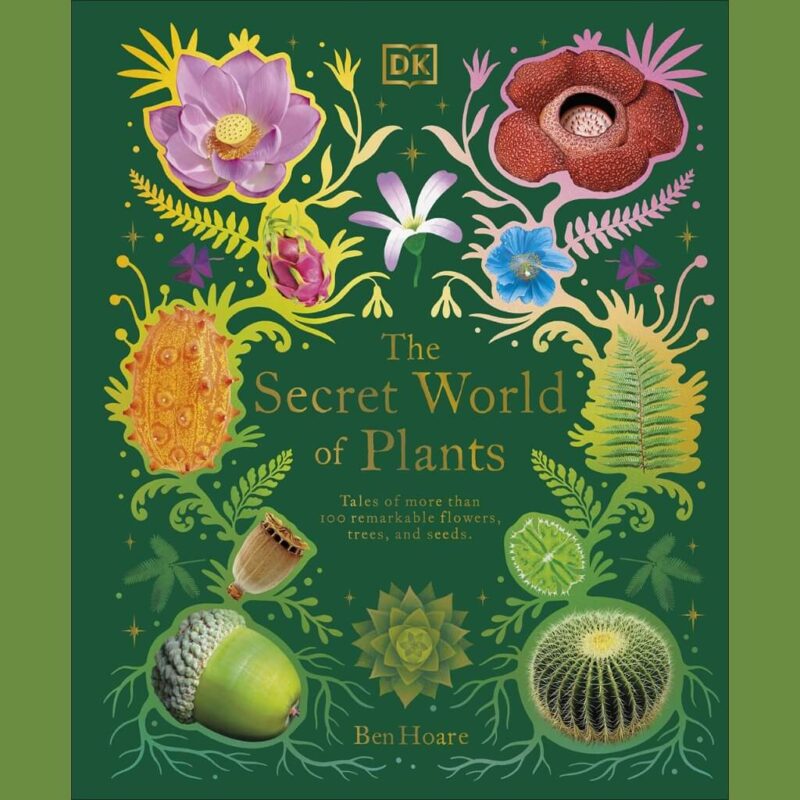
The Treasures series feels like opening a museum drawer. Every spread has a centered specimen, supporting facts, and clean labels.
Kids who enjoy collecting things love this layout. The ebook version works especially well because it lets them zoom in and inspect fine details.
12.Nature’s Treasures – Ben Hoare, DK Treasures series
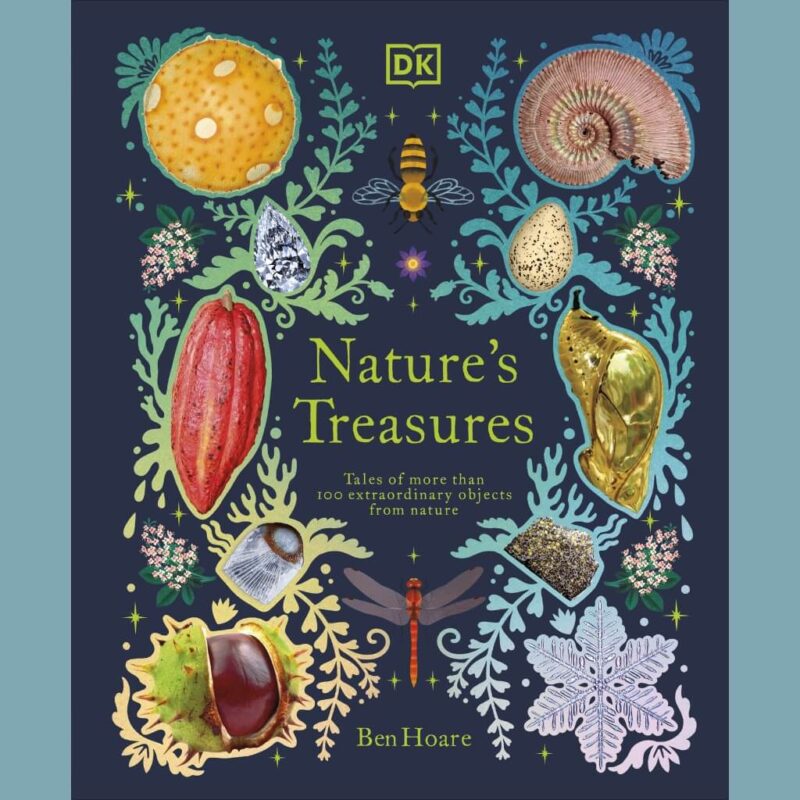
Some kids bounce across topics. A rock here. A shell there. A feather, a beetle, a strange seed. Nature’s Treasures feeds that style by covering a broad mix of items.
The ebook format lets kids drift through pages at their own pace, yet still learn vocabulary that sticks.
13.Weird and Wonderful Nature – Ben Hoare, DK Treasures series
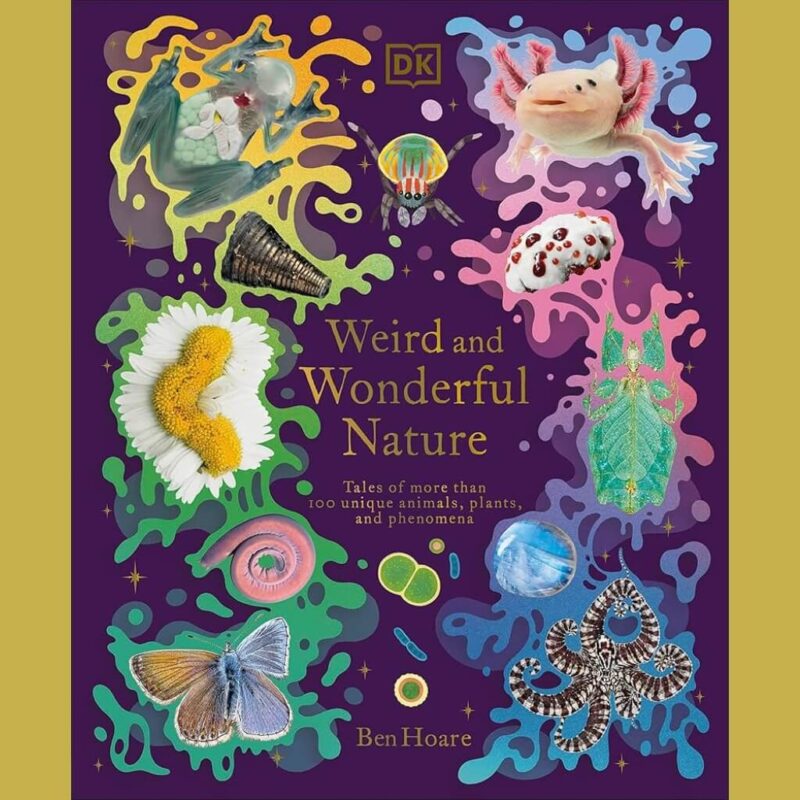
Kids often fall in love with extremes. Bright. Tiny. Spiky. Glowing. Giant. Venomous.
The book leans into that instinct and turns it into a mini lesson on survival strategies. The ebook version handles vibrant colors beautifully.
14.The Burgess Animal Book for Children – Thornton W. Burgess, public domain
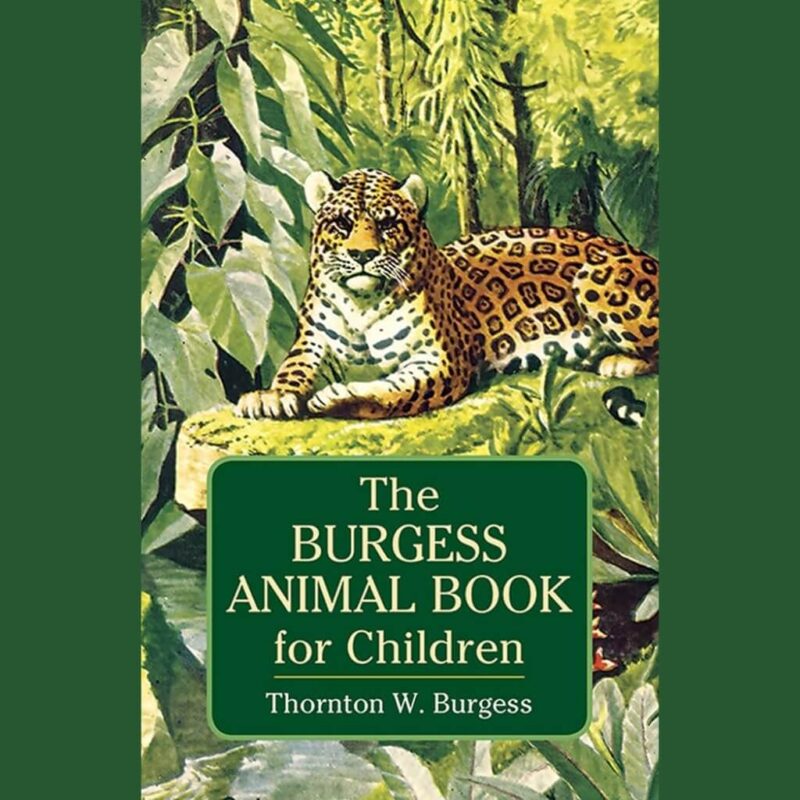
Some families want a story rhythm, something that reads almost like classic bedtime chapters. Burgess delivers that feeling while still teaching natural history.
Kids follow along because the narrative gives them characters to anchor the facts. The public domain ebook from Project Gutenberg makes it free and simple to access.
15.The Burgess Bird Book for Children – Thornton W. Burgess, public domain
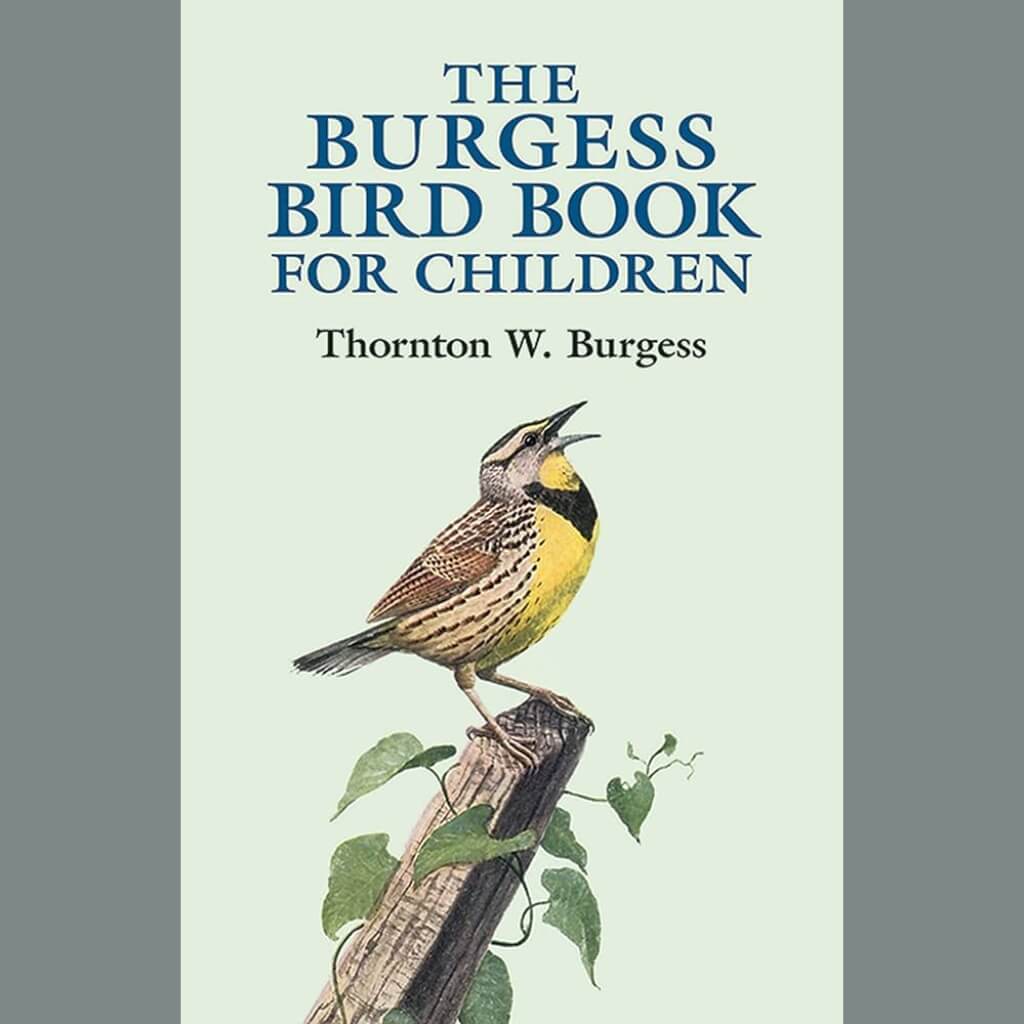
This companion title focuses on birds and uses the same narrative flow. Kids remember species traits because they appear inside a story rather than sitting alone on a flashcard-style page.
The ebook format works well for families who want a no cost nature series.
Picking the Right Ebook by Attention Style
Kids engage with nature ebooks in different ways. Matching the format to the child’s style keeps the reading session smooth.
If a Child Likes Flipping and Scanning
Visual encyclopedias do the heavy lifting.
- Trees, Leaves, Flowers and Seeds
- The Secret World of Plants
- Nature’s Treasures
- Weird and Wonderful Nature
If a Child Likes Short Fact Hits
Big book formats work best.
- Little Kids First Big Book of Bugs
- Little Kids First Big Book of Birds
- First Big Book of the Ocean
- Little Kids First Big Book of the Rain Forest
If a Child Prefers Story and Emotion
Narrative titles leave a mark.
- The Curious Garden
- The Burgess Animal Book for Children
- The Burgess Bird Book for Children
Where Families Usually Find These Ebooks
Most parents stick with public library apps, especially Libby, which pulls from OverDrive catalogs. Many of the titles above appear in those systems as Kindle Book, EPUB ebooks, or OverDrive Read editions.
DK and National Geographic Kids also release ebook formats through retailers, which helps when a child wants to keep a favorite title permanently.
Final Words
Nature ebooks do not replace the outdoors. They tune the eyes so a kid sees more on the next walk.
A seed becomes a traveler. A butterfly becomes a pattern to track. A bird becomes a behavior cue. When curiosity climbs like that, a screen quietly becomes a tool instead of a drain.