Let’s be honest: most people don’t head to Europe for the wildlife. They come for the cities, the food, the museums. But tucked behind the usual tourist routes and bustling squares are pockets of wild nature that feel a world apart. And the best part? You don’t have to jostle with crowds to experience it.
From icy Arctic fjords to sun-drenched Atlantic islands, Europe has some seriously underrated spots where animals still roam free—and the tourists don’t. If you’ve ever wanted to lock eyes with a puffin, watch a polar bear pad across the ice, or witness a pod of dolphins dance along your boat’s bow, there’s a place for you.
Let’s go region by region through five of Europe’s most exceptional wildlife-watching destinations—places where the animals are wild, the views are stunning, and the crowds are blissfully absent.
Svalbard, Norway
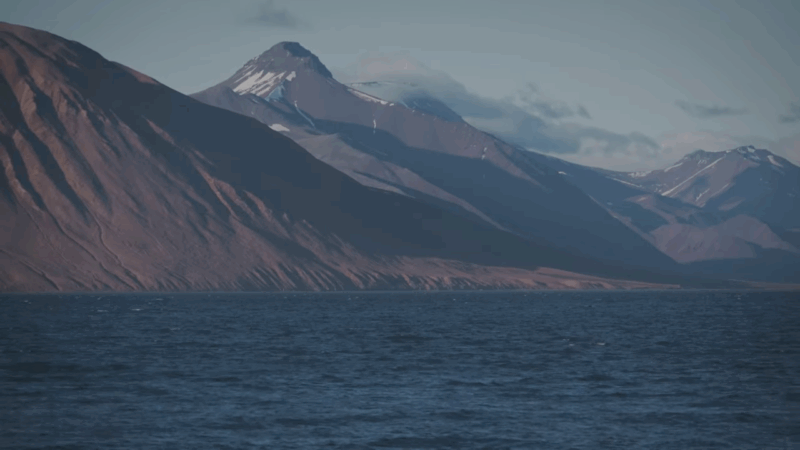
There are more polar bears than people out here, and the silence is broken only by cracking ice and seabirds calling.
What You’ll See
- Polar bears, walruses, seals
- Arctic foxes, puffins, purple sandpipers
- Humpback and minke whales, dolphins
When To Go
- June to August: Best for polar bears
- May to mid-July: Peak bird migration
Why It’s Crowd-Free
It’s not exactly easy to get to. The cold, the ice, the remoteness—it all filters out the casual tourists. Those who make it here usually arrive via small expedition cruises, and that’s what keeps the experience so intimate.
Best Way to Explore
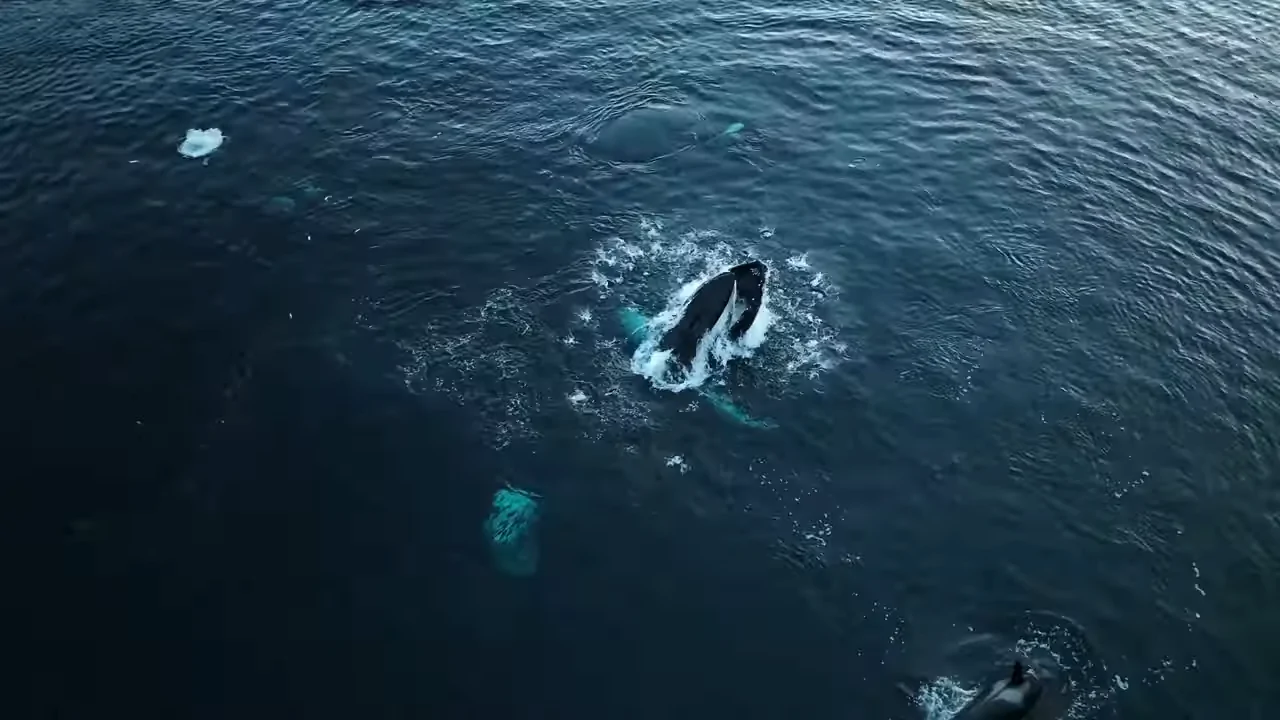
Multi-day Arctic cruises, usually around 11 days, are the gold standard here. You’ll sail around glaciers, thread through icy channels, and spot wildlife from the deck—sometimes right next to your ship. Guides know how to read the landscape and ice patterns, increasing your odds of incredible sightings. Some boats even break through the ice to reach isolated feeding areas, where whales often show up in surprising numbers.
Pro Tips
- Dress like you’re going to Mars: thermal layers, windproof jackets, boots, the whole deal.
- Bring binoculars and a zoom lens—you’ll use them constantly.
- Midnight sun means long days for wildlife watching. Don’t expect much sleep.
Context That Matters
Svalbard is a delicate ecosystem. Glaciers are retreating. Wildlife is adapting. But thanks to conservation laws and responsible tourism practices, there’s still a sense of awe and authenticity here. If you want Arctic magic without elbowing through crowds, this is where to go.
Danube Delta, Romania
At the eastern edge of Europe, where the Danube River spills into the Black Sea, lies the Danube Delta—a vast, labyrinthine wetland often dubbed “the Amazon of Europe.”
This UNESCO World Heritage site is a haven for biodiversity, offering a serene escape for nature enthusiasts seeking intimate wildlife encounters away from the crowds.
What You’ll See
- Over 300 bird species, including white and Dalmatian pelicans, white-tailed eagles, and glossy ibises
- Mammals like Eurasian otters, wild boars, and wild horses
- A rich array of fish species, such as sturgeons, pike, and catfish
When To Go
- April to October: Ideal for birdwatching and pleasant cruising conditions
- May to June: Peak breeding season for many bird species
Why It’s Crowd-Free
The delta’s remote location and protected status limit mass tourism. Access is primarily through small boats, ensuring a tranquil experience amidst untouched nature.
Best Way to Explore
Exploring the Danube Delta on the water offers a completely different rhythm—slow, silent, and rich with surprise. There’s something deeply soothing about being on the water—not just for the scenery, but for how it makes you feel.
The gentle motion, ever-changing riverbanks, and slower pace naturally settle the mind. It’s not just poetic; researchers have found that being near water helps lower stress, boost focus, and bring a sense of calm—especially meaningful for older travelers seeking a more mindful kind of adventure.
River cruises, unlike their ocean-going counterparts, stay close to the contours of the land. You’re rarely far from a view—villages, forests, even the occasional castle drifting past like a moving painting. That steady visual anchor adds a quiet sense of orientation that ocean cruises sometimes lack.
And it’s easy on the body, too. The water’s calm, the boats are smaller, and there’s no disorienting roll to throw you off balance. You can truly focus—on the wildlife, the culture, the company.
Each stop brings you right to the edge of something fascinating, whether it’s a bird sanctuary, a historic fishing village, or a tucked-away nature reserve.
With thoughtfully planned excursions and the natural rhythm of the river, the experience offers just enough structure without ever feeling rushed. It’s low-pressure, low-noise, and all about presence.
Pro Tips
- Opt for tours led by certified guides committed to sustainable practices.
- Pack lightweight binoculars and a good zoom lens for optimal wildlife viewing.
- Be prepared for variable weather; waterproof clothing is advisable.
Context That Matters
The Danube Delta is not only a biodiversity hotspot but also a model for sustainable tourism and conservation. Efforts are underway to preserve its unique ecosystems while supporting local communities through eco-tourism initiatives.
Exploring this region offers a rare glimpse into a harmonious balance between humans and nature.
The Azores, Portugal
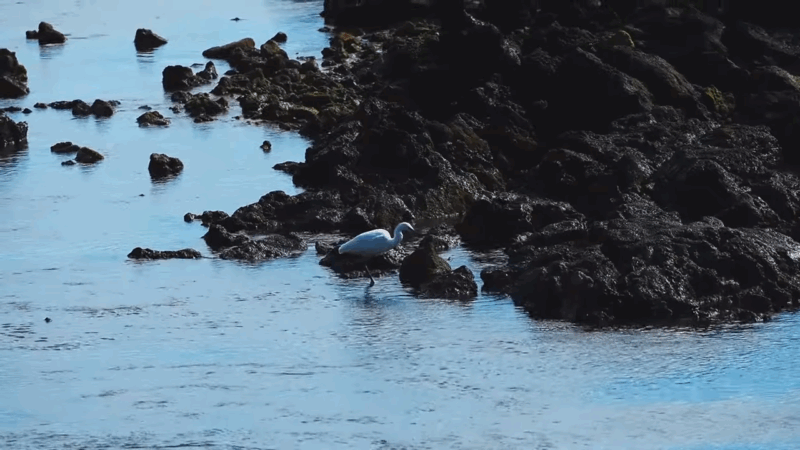
These Portuguese islands are lush, volcanic, and surrounded by nutrient-rich waters teeming with marine life. And they’re not overrun—yet.
What You’ll See
- Whales: sperm, blue, fin, sei, humpback, even orcas
- Dolphins: seven different species
- Manta rays, sea turtles, seabirds
When To Go
- April to September: Best time for whales
- May to October: Prime time for dolphins
Why It’s Crowd-Free
Even though it’s technically Europe, the Azores are way out there—around two hours by plane from Lisbon. Most travelers are eco-minded and there for nature, not nightlife, which keeps the experience calm and grounded.
Best Way to Explore
While you won’t be doing long cruises here, half-day boat tours are the way to go. Captains know the waters inside and out, and spotting rates are sky-high—around 99% for whales and dolphins. Some companies even use spotters stationed onshore to radio sightings to the boat crew.
Pro Tips
- Go with companies that emphasize conservation and ethical viewing.
- Combine boat tours with land-based bird watching or hot spring hikes.
- Seas can get rough—motion sickness tablets are your friend.
Context That Matters
The Azores aren’t just pretty—they’re a model of sustainable tourism. Regulations cap visitor numbers in some areas, and strict protections keep marine life thriving. Even if you only see a fraction of what’s out there, it’s more than most people will ever get to witness.
Inner Hebrides, Scotland
If you’ve ever dreamed of watching puffins shuffle across cliffs or spotting sea otters while sipping tea in a quiet cove, Scotland’s Inner Hebrides might just be your kind of wild.
What You’ll See
- Puffins, golden eagles, hen harriers
- Sea otters, dolphins, porpoises, basking sharks
- Minke whales
When To Go
- Late April to late September is your window—especially June and July for puffins.
Why It’s Crowd-Free
Getting around involves ferries, single-track roads, and a bit of patience. But that keeps the selfie-stick crowd at bay. Even during high season, you can have entire stretches of coast or loch all to yourself.
Best Way to Explore
Book a sea safari around the Isle of Mull or a boat trip to the Treshnish Isles. Many tours offer wildlife viewing with stops at seabird colonies or secret beaches. Overnight boat trips let you wake up to seals sunning themselves on quiet rocks.
Pro Tips
- Weather shifts fast. Layers, waterproofs, and a hat are key.
- Puffins are the stars, but don’t sleep on the sea eagles.
- Pack snacks and stay flexible—Scottish nature plays by its own rules.
Context That Matters
The Hebrides blend raw nature with deep cultural roots—think Viking legends, Gaelic songs, and ancient standing stones. It’s not just about animals; it’s about atmosphere.
Ligurian Sea, Italy
Right off the Italian Riviera, the Ligurian Sea might surprise you. It’s not just yachts and gelato. It’s a protected marine sanctuary, home to dolphins and whales—plus a community that’s serious about keeping them safe.
What You’ll See
- Striped, Risso’s, and bottlenose dolphins
- Fin whales, sometimes even sperm whales
When To Go
- May to September gives you the best weather and sightings.
Why It’s Crowd-Free
While the Riviera can get packed, the marine sanctuary—called Pelagos—is far less trafficked. Boats are limited and strictly regulated, so the wildlife gets space, and visitors get quiet.
Best Way to Explore
There are two styles here. For a deeper experience, join a research tour and actually help track and document dolphins.
If you want something more relaxed, go with a short, guided whale-watching trip. Either way, boats keep respectful distances and use silent engines.
Pro Tips
- Research trips are immersive but fill up fast. Book well ahead.
- Bring a camera—dolphins love surfing the wake.
- Some tours depart from Genoa, so you can base yourself in a charming city and still reach the wild.
Context That Matters
The Pelagos Sanctuary is a joint effort by Italy, France, and Monaco—a rare example of international marine protection. Seeing dolphins here isn’t just a thrill; it’s a glimpse into what marine conservation looks like when it works.
Winter Whale Watching in Norway
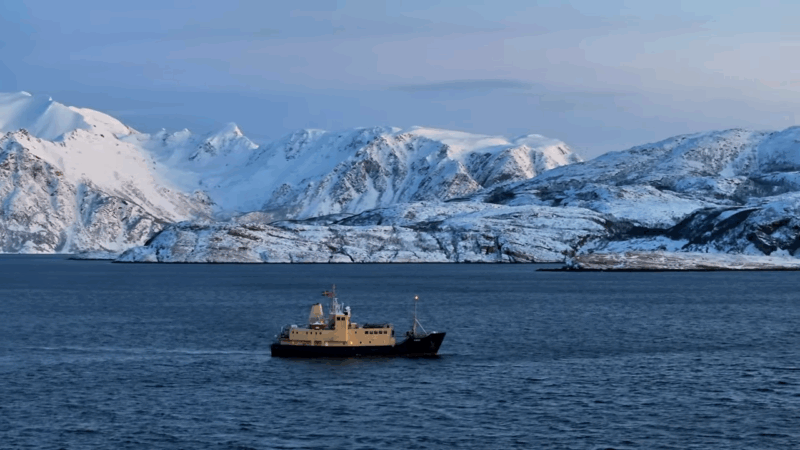
Norway again? Yes, but in winter, it’s a whole different world.
What You’ll See
- Orcas, humpback whales, fin whales
- Sometimes white-tailed eagles
When To Go
- Early November to mid-January—yes, it’s cold, but worth it.
Why It’s Crowd-Free
It’s Arctic winter. Most people would rather be sipping glühwein at a Christmas market. But if you’re up for the cold, you’ll find peace, snow, and whales in abundance.
Best Way to Explore
Base yourself in Tromsø or Andenes and book a multi-day whale cruise. Boats usually stick close to the coastline where herring gather. The sunlight is soft and brief, casting an eerie beauty over the sea.
Pro Tips
- Dress like you’re on an Everest base camp expedition. Seriously.
- Bring heat packs, gloves, and maybe a camera with a fast shutter.
- Whale action is fast—stay alert on deck.
Context That Matters
The annual herring run creates one of nature’s great feeding spectacles. The whales are wild and close, and Norway has strict rules in place to ensure they stay that way.
Honorable Mentions
Not every great wildlife spot fits neatly into a cruise, but they’re still worth a shout if you’re looking to avoid the crowds:
- Cantabrian Sea, Spain – Whale watching off Santander in July and August. Expect blue whales, sperm whales, bottlenose dolphins.
- Carpathian Mountains, Romania – Brown bears and lynx in old-growth forests. Go spring or autumn with local guides.
- Shetland Islands, Scotland – Seabird colonies galore, especially puffins in summer. Accessible by ferry, and remarkably quiet.
Final Thoughts
There’s something magical about being alone in nature—no clicking cameras, no coach buses. Just you, the wind, and a glimpse of something wild. Europe still offers that, if you know where to look.
Pick the right season. Choose operators who care. And be ready for a bit of unpredictability—that’s part of the magic. Whether you’re bundled up in Svalbard, cruising the Ligurian coast, or scanning the Scottish skies for sea eagles, there’s a quiet kind of wonder waiting for you out there.
Just give it the space to show up.