A gazelle on open ground looks light, quick, and almost delicate. Food choice tells a different story. Every bite follows a quiet calculation about moisture, minerals, fiber, and safety. Rainfall, soil type, plant chemistry, and grazing pressure from other herbivores all shape that daily menu.
No single plant list can explain how gazelles eat, because food strategy changes with place and time. What follows is a field-based look at what ends up in a gazelle’s mouth, and why.
The Core Gazelle Diet, The Building Blocks
@vladimirpotapenko
Across Africa and parts of Asia, most gazelles rely on 3 main plant categories.
Grasses
Short green grass after rain can carry solid protein levels and good digestibility. As growth matures, fiber rises, and nutrients fall. Some species remain grass-heavy for much of the year, while others only use grass heavily during fresh green periods.
Forbs
Broad-leaf herbaceous plants often carry higher mineral and protein levels than mature grass. Shoulder seasons after rain can bring a burst of forb use.
Browse
Leaves, twigs, flowers, and pods from shrubs and trees form a critical food group in drier months. In deserts and shrublands, browse often provides moisture when surface water stays scarce.
Several gazelle species move between grazing and browsing depending on season and habitat. Feeding style stays flexible rather than fixed.
Why Season Changes Everything
Rain drives the plant growth stage, moisture content, and nutrient value. Seasonal shifts change what feels worth eating.
Wet Season Priorities
After rainfall, gazelles often lean toward:
- Green short grasses
- Tender forbs
- Fresh shrub leaves
According to Mpala Live, for Thomson’s gazelles in East African short-grass plains, wet season diets often sit around 80% to 90% grass.
Dry Season Priorities
As grasses cure and dry:
- Shrub and tree foliage rises in importance
- Seed heads and pods become valuable
- Drought-tolerant forbs and salt-tolerant shrubs appear more often
Dorcas gazelles show a strong shift toward acacia leaves, flowers, and pods during dry spells. Browse can hold more moisture than dry grass, which matters in desert systems.
Habitat Diet Profiles With Real Species Examples
Real feeding patterns only make sense once habitat enters the picture, because plant mix, rainfall timing, and ground cover shape what each gazelle species actually eats day to day.
Short-Grass Savannas And Open Plains
Short-grass savannas and open plains offer fast-growing pasture that favors selective grazers, and many gazelle species shape their feeding routines around the rhythm of rain and grazing pressure in such open systems.
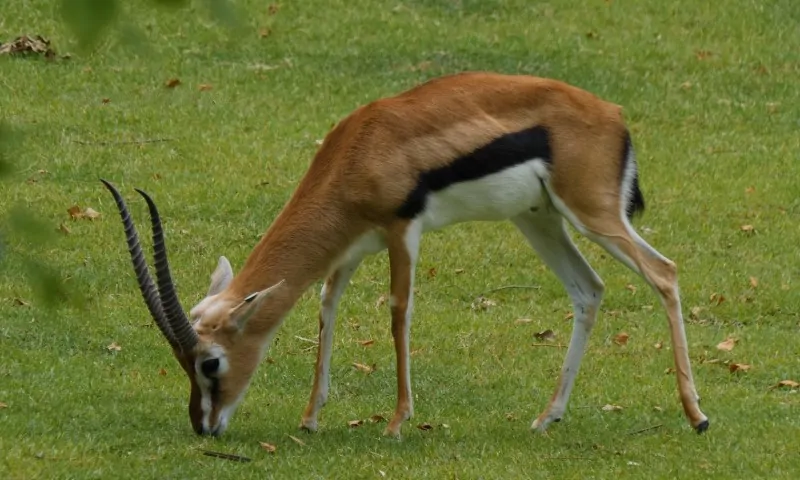
Thomson’s Gazelle
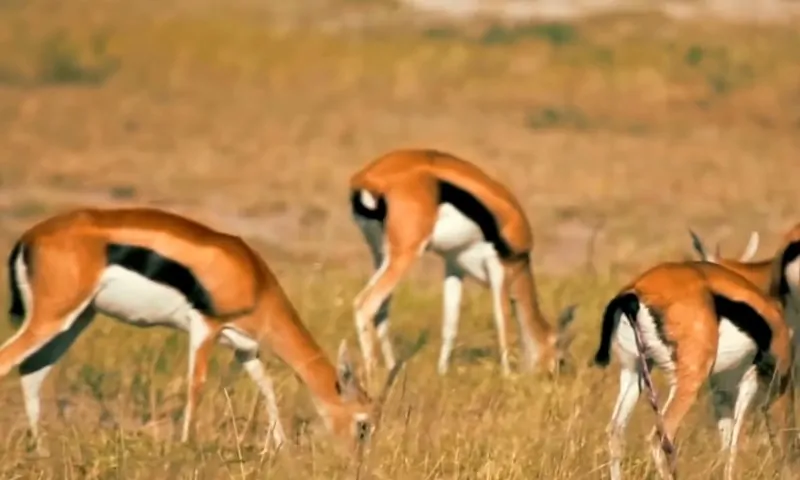
Thomson’s gazelles remain closely tied to short grasslands. Short grasses form the core diet, while twigs, seeds, and tree leaves gain importance when dry periods arrive.
Field observations show a useful pattern. Larger grazers knock down tall grass, exposing the short growth that Thomson’s gazelles prefer.
On many East African plains, that behavior keeps preferred grass accessible even late in the season.
Seasonal feeding pattern:
- Early rains bring heavy use of fresh short grass
- Later dry phases bring more leaves, shrubs, and seeds, while grass can still remain dominant
In some dry seasons, grass still forms around 90% of intake, as per the African Wildlife Foundation.
Grant’s Gazelle
Grant’s gazelles fit the classic mixed-feeder model. After rain, grass intake rises. As landscapes dry, leafy shrubs and browse gain importance.
Semi-arid tolerance comes from the ability to swing between open grass flats and brushier patches.
Desert Margins, Wadis, And Sahel Systems
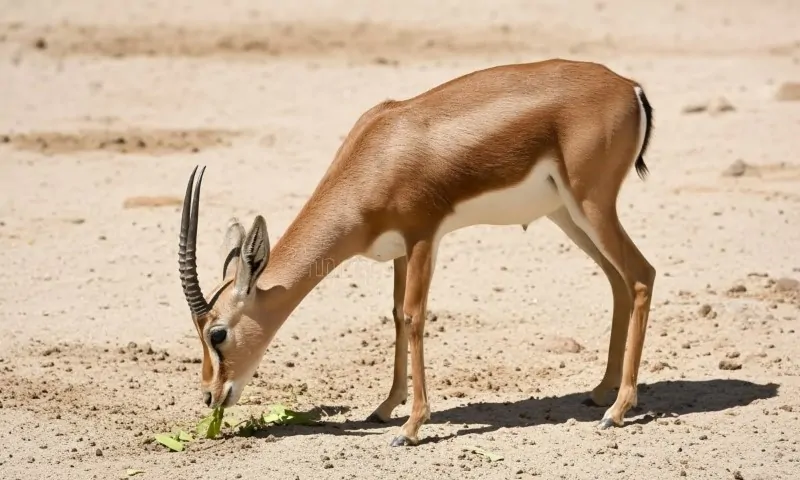
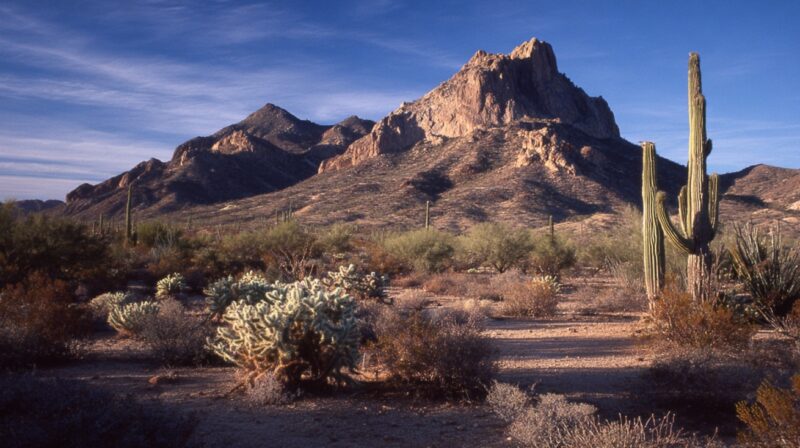
Dry air, scattered shrubs, and long gaps between rains define desert margins, wadis, and Sahel systems, where gazelle diets lean hard on browse and moisture-rich plants that can carry animals through extended dry spells.
Dorcas Gazelle
Dorcas gazelles live where grass stays sparse or seasonal. Browse holds central importance.
Common foods include:
- Acacia leaves, flowers, and pods
- Fruits and leaves of desert shrubs
- Bulbs and underground plant parts during extreme dry periods
In the Negev Desert, dorcas gazelles have been documented digging into sand to reach stems and bulbs, then shifting to newly sprouted leaves after winter rain.
Water stress tolerance stands out. According to research, Dorcas gazelles can tolerate a lack of free water for 9 to 12 days in winter and 3 to 4 days in summer, with plant moisture covering much of their daily needs in cooler months.
Dama Gazelle
Dama gazelles occupy the Sahel and the Sahara edge systems. Shrubs, herbs, grasses, and leaves appear in the diet, with acacia leaves often highlighted as a key resource.
Mediterranean Shrubland And Rocky Hills
Mediterranean shrublands and rocky hills create a tighter menu where slope, soil, and patchy rainfall shape what gazelles can reach and how often they return to the same feeding spots.
Mountain Gazelle
Mountain gazelles show broad diet flexibility tied to habitat. In wadis and rocky gorges, foliage can dominate. In semi-arid grasslands, grass may carry more weight.
A semi-arid field study measured diet composition at:
- 73% grasses
- 23% forbs
- 4% browse
A modern DNA metabarcoding study reinforced strong seasonal and habitat-driven shifts.
Scientific reports state that the average adult intake sits near 440 g of dry matter per day, useful when thinking about forage needs and carrying capacity.
Steppe And Central Asian Rangelands
Wide open plains across Central Asia push gazelles toward a flexible menu shaped by wind, salt soils, and long dry spells.
Goitered Gazelle
Goitered gazelles eat grasses, shrubs, and forbs across steppe and semi-desert systems.
Salt-tolerant plants play an important role in some regions. In agricultural landscapes, crop shoots and fruits may enter the diet.
A 2024 seasonal study listed major plant families consumed:
- Chenopodiaceae
- Rosaceae
- Gramineae
- Asteraceae
- Fabaceae
Goitered gazelles often obtain much water directly from plants.
Sand Gazelle Or Arabian Sand Gazelle
Science Direct reports that the free-ranging sand gazelles in Saudi Arabia showed a mixed feeding ratio of 58.4% grass and 41.6% browse. Published plant lists include at least 80 plant species from 23 families, showing wide diet breadth.
Species, Season, And Habitat Comparison
What Gazelles Target, Plant Parts Matter

Plant part and growth stage often matter more than plant species alone.
High-Value Targets
- New grass shoots after rain or grazing disturbance
- Forb leaves and stems during the spring flush
- Young shrub leaves before fiber and chemical defenses rise
- Pods and flowers, especially from acacia species
Dry-Season Survival Foods
- Woody browse carrying leaf moisture
- Salt-tolerant shrubs in desert-steppe zones
- Tough grasses when browse stays limited
Water And Diet Are Closely Linked
Several gazelle species obtain much daily water from plant moisture. Dorcas gazelles serve as a strong example. Green forage and moisture-rich browse can reduce drinking needs for extended periods.
Habitat use follows that relationship:
- After rain, green pasture draws gazelles into newly productive patches
- During long dry spells, shrubs, trees, and wadis gain importance over open flats
Diet Overlap With Livestock
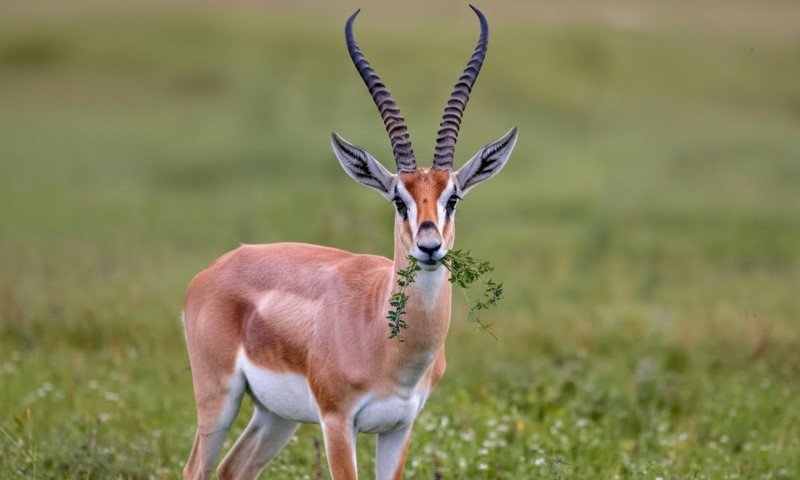
Modern research often shows limited diet overlap between gazelles and livestock. The selection of different plant species and plant parts, combined with seasonal shifts, keeps competition lower than many assume.
In mountain gazelles, often mistaken for antelopes, overlap with cattle stays generally low, rising mainly during some winter grassland conditions. Broad plant use in species such as Arabian sand gazelles also supports habitat planning and forage management for reintroduction programs.
Practical Observations From The Field
A few consistent patterns appear across regions:
- Fresh green growth after rain always draws heavy attention
- Shrubs and trees quietly support survival through dry months
- Mixed feeders remain more resilient in semi-arid systems
- Moisture content often guides food choice as much as protein or fiber
Summary
Gazelles do not follow a single plant list. Every season reshapes priorities, and every habitat reshapes opportunity.
Short grass, forbs, shrubs, and trees form a shifting toolkit that keeps gazelles moving, feeding, and surviving across some of the hardest landscapes on Earth.