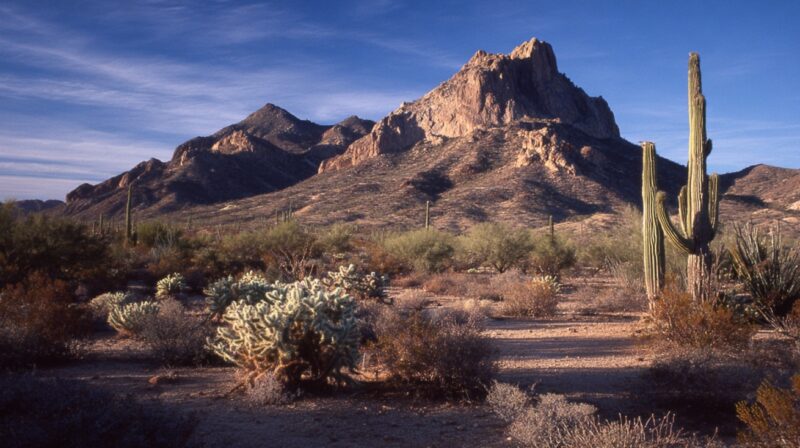

If you’ve ever hiked through the desert with a dog by your side, you already know it’s not your average walk in the park.
The desert doesn’t forgive poor planning. High heat, dry air, rattlesnakes, sharp rocks, and a lack of water sources mean both you and your dog need to be sharp, prepped, and fully geared.
That said, few outdoor experiences are as bonding or breathtaking. The silence, the wide open sky, and that golden hour glow on your pup’s face – pure magic.
But desert hiking can go from dream to emergency if you’re not careful. So let’s get into what really matters: what to pack, how to prep, and how to keep your dog safe when the terrain gets tough and the heat kicks up.
Know Your Dog, Know Your Trail
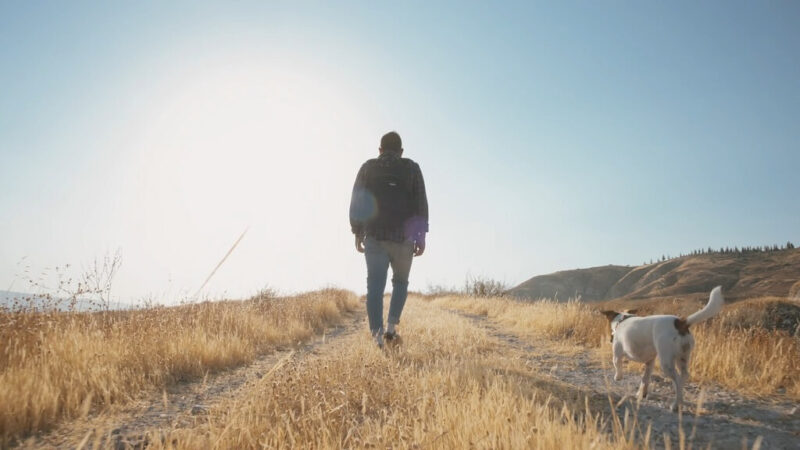
Some dogs are built for heat. Others, not so much. Brachycephalic breeds (like pugs and bulldogs) can overheat fast due to their short noses. Long-coated breeds may struggle too, especially without acclimation.
On the flip side, lean, short-haired dogs like Vizslas, Heelers, and some terriers tend to handle desert heat a bit better, especially if they’re already active and used to the outdoors.
Pay close attention to your dog’s fitness level, coat type, age, and medical history. Older dogs and puppies are particularly vulnerable in the heat.
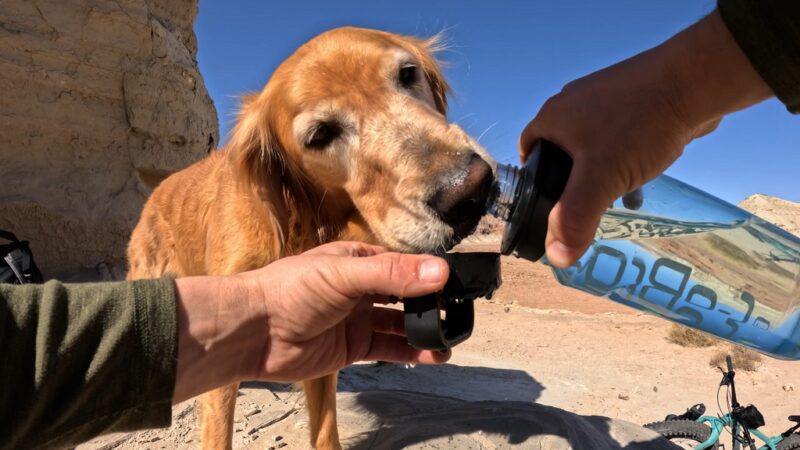
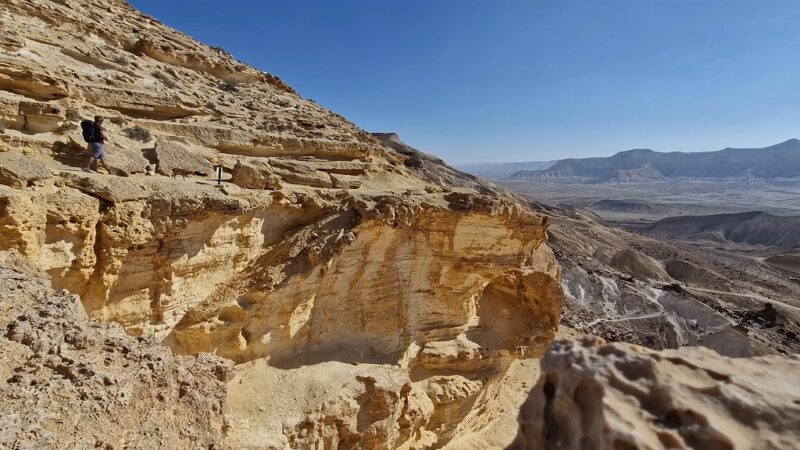
Avoid the midday sun. Seriously. The difference between a pleasant sunrise hike and a dangerous afternoon trek can be just a few degrees in the desert. Don’t let cooler temps fool you—rock surfaces can still retain heat, and your dog’s paws are in direct contact with them. Make sure to pack the following: You will need more water than you think. For both of you. A good rule: 1 ounce of water per pound of dog per hour of moderate activity. So a 50-pound dog on a 3-hour hike? That’s at least 150 ounces (about 1.2 gallons) for them alone. Bring your own water too, and don’t count on refills unless you know there’s a reliable source on your route. Hot sand, volcanic rock, cacti thorns, and goatheads are a real threat. Some dogs will tolerate booties; others absolutely hate them. But for sharp or hot terrain, they’re invaluable. Try brands like Ruffwear Grip Trex or QUMY, or browse a dachshund‑focused selection on Dachshund Space for protective pawwear options. Get your dog used to them before the trail by letting them wear them during walks or at home. If your dog won’t wear booties, bring: Once temps rise past the mid-70s, dogs can start overheating fast—especially when there’s no shade. Sure, you can carry a general human kit—but a few extras make a world of difference when you’re hours from a vet. In case your dog bolts or gets disoriented. GPS trackers like Fi or Whistle Go Explore have desert-worthy battery life. For lower-tech peace of mind, an engraved tag with your cell number works just fine. Also, no retractable leashes. They tangle, break, and offer zero control on steep or cactus-strewn trails. Stick to a sturdy 6-foot leash or a hands-free waist system. Here is some advice you should have in mind while going through harsh desert conditions: Always map your trail out ahead of time and download an offline version (AllTrails Pro or Gaia GPS both work well). Cell service can vanish fast in the desert, and signage is often nonexistent. Make sure someone at home knows: If your dog gets into a cholla: Use a comb, not your fingers. Trust me. Those barbs are no joke. Dogs don’t sweat. They cool off via panting and their paw pads. And in dry air, you might not notice how fast things escalate. Desert hiking burns calories. Fast. Bring high-protein, easily digestible treats your dog has had before. A sudden change in diet + exercise = GI issues, and you do not want that on the trail. Avoid anything heavy or greasy. Keep it light and familiar. If you’re looking for actual trail ideas to test all this out, here are a few desert regions with solid reputations for dog-friendly paths: Always double-check park rules. Some national parks still restrict dogs to paved areas. Post-hike checks are just as important as prep. And yes, a big nap is well-earned, for both of you. Desert hiking with your dog can be a challenge, no doubt. It asks more of you. More prep, more gear, more attention. But there’s something wild and ancient about sharing that space with your dog. Just the two of you. No noise. No buildings. Just sand, sun, and the sound of paws on stone. Be smart. Be ready. And go enjoy it—because if you’re willing to plan a little, desert trails might just become your dog’s favorite place on earth.Timing Is Everything
Best Times to Hike
Season
Ideal Time to Start
Summer
Before 7 a.m. or after 6 p.m.
Fall/Spring
Before 9 a.m. or after 4 p.m.
Winter
Mornings are fine; midday can be pleasant
Essential Gear
1. Water, and Then Some
2. Dog Booties (Yes, Really)
3. Cooling Gear
4. First Aid Kit (Tailored for Dogs)
Suggested Additions
5. GPS or ID Tag with Your Number
Safety Hacks for Harsh Desert Terrain
Know Where You’re Going, and Let Someone Else Know Too
Scan the Trail Ahead
Signs of Overheating
Watch For:
What to Do:
Food & Treats
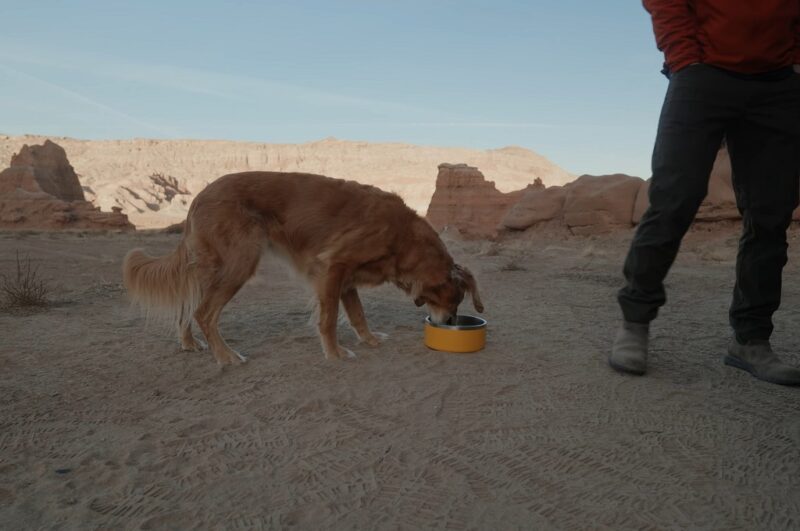
Great Trail Snacks
Desert Trails That Are Dog-Friendly
Region
Trail
Notes
Arizona
Tom’s Thumb Trail (Scottsdale)
Early starts only—gorgeous rock formations
California
Anza-Borrego Palm Canyon Trail
Spring wildflowers and good terrain
Utah
Wire Pass to Buckskin Gulch
Slot canyons, but avoid flash flood season
Texas
Lost Mine Trail, Big Bend
Shaded sections, moderate climb
Nevada
Sloan Canyon Petroglyph Trail
Cooler than Red Rock, more remote
What to Do Once You’re Back
Final Thoughts