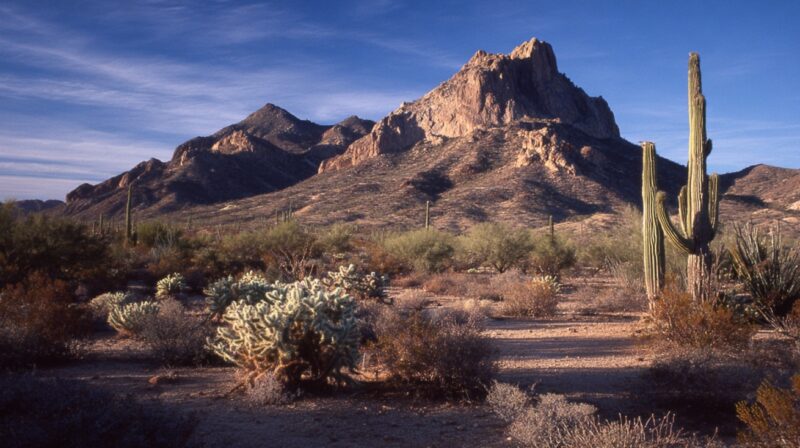
Deserts are among the harshest environments on Earth. Daytime temperatures often climb to extremely high levels, while water remains scarce. Dry air and intense sunlight create conditions that challenge the survival of most living organisms.
Many animals that live in deserts follow a nocturnal lifestyle. Nocturnal animals rest during daylight hours and become active after sunset. Activity during nighttime provides several survival advantages in such harsh conditions.
Cooler nighttime temperatures reduce stress caused by extreme heat. Darkness also lowers exposure to predators and reduces competition for food resources. Because of these benefits, nighttime activity plays an important role in desert survival.
Desert animals often come out at night because cooler temperatures and reduced threats make survival easier.
Examples of Nocturnal Desert Animals
Numerous desert species rely on nighttime activity as a key survival behavior. Cooler temperatures, reduced predator visibility, and better access to food all contribute to this pattern.
Several well-known animals demonstrate how nighttime habits support life in extremely hot and dry regions.
Fennec Fox
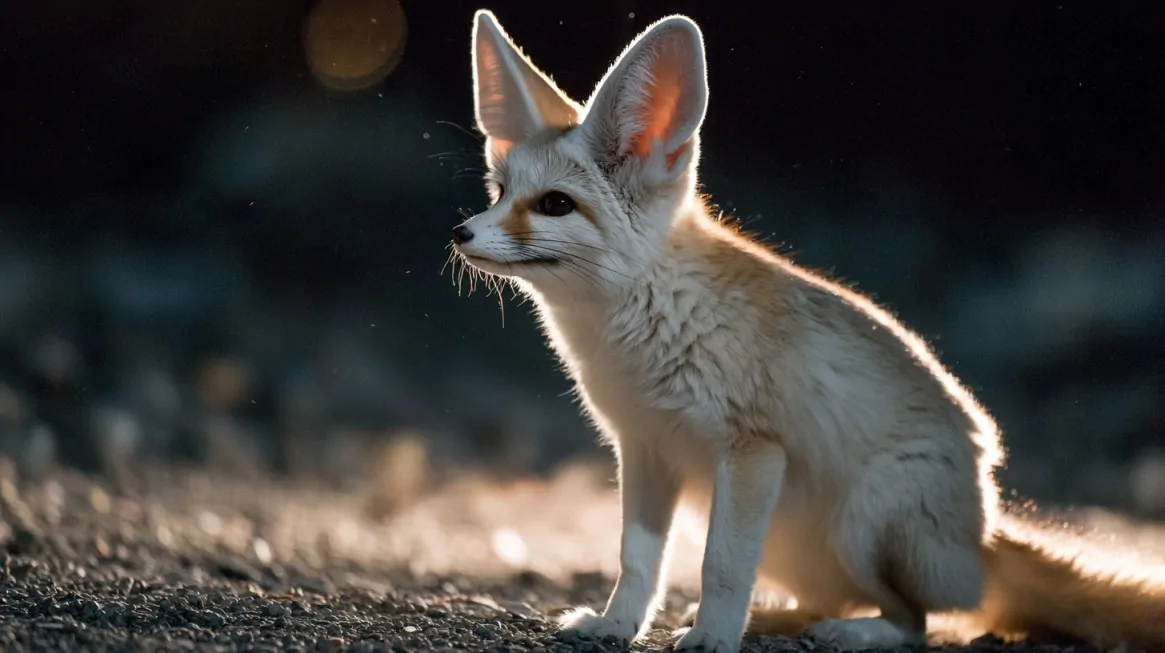
Fennec foxes represent one of the most recognizable desert animals with nocturnal habits. Small body size and specialized features help these foxes survive harsh desert conditions.
Large ears play an important role in temperature control and survival. Heat release occurs through blood vessels in the ears, allowing body temperature to stay lower even during warm nights. Strong hearing also allows detection of movement beneath sand.
- Large ears that release excess body heat
- Sensitive hearing that detects insects and small animals under sand
- Thick fur on the feet that protects against hot sand
- Nocturnal hunting patterns that avoid intense daytime heat
Night activity allows fennec foxes to search for insects, rodents, eggs, and small reptiles while temperatures remain manageable.
Kangaroo Rats
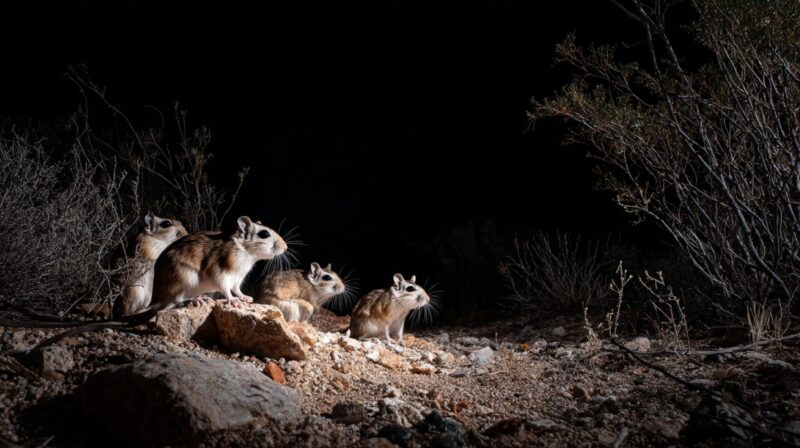
Kangaroo rats represent another well-known nocturnal desert species. Small body size combined with powerful hind legs allows quick movement across sandy terrain.
Daytime heat remains too dangerous for extended activity, so most movement occurs after sunset.
Kangaroo rats remain inside underground burrows during daylight hours.
Burrows maintain cooler temperatures and protect against dry air. After darkness arrives, these animals leave their shelters to collect seeds and other plant materials.
- Burrows that protect against daytime heat
- Seed storage inside underground chambers
- Ability to survive without drinking liquid water
- Moisture obtained directly through digestion of seeds
Body systems allow these animals to produce very concentrated urine, reducing water loss and helping maintain hydration.
Nocturnal Snakes and Reptiles
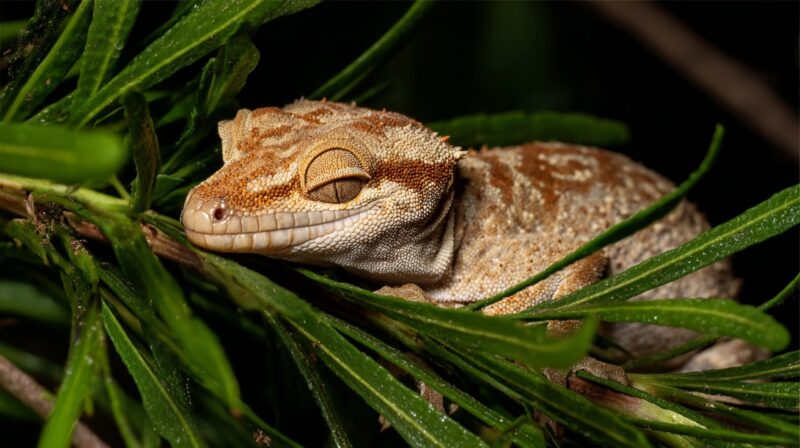
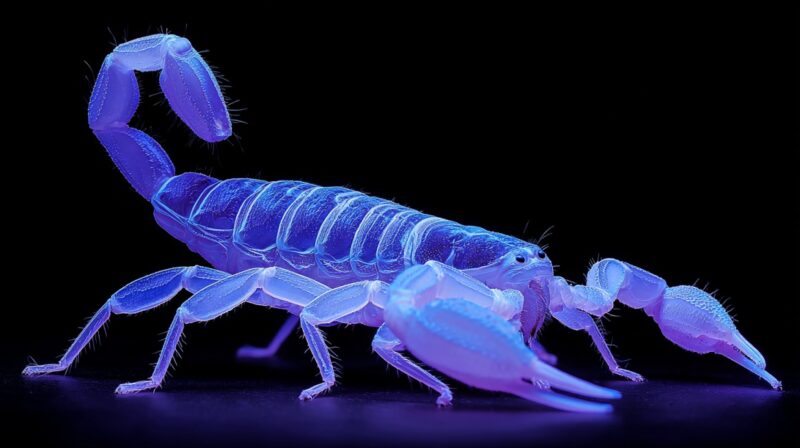
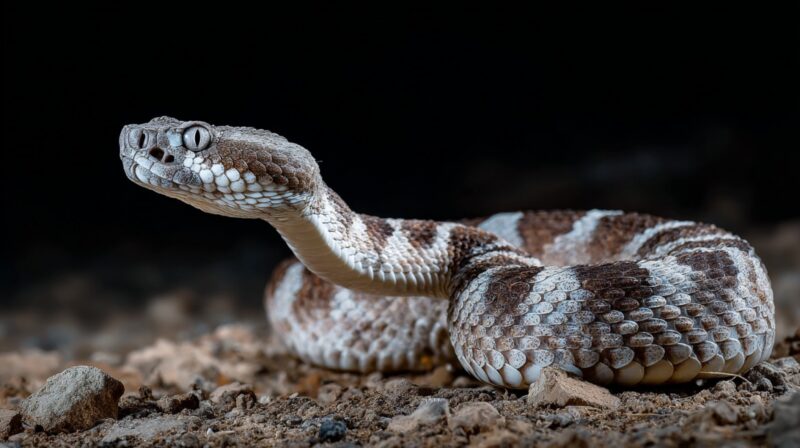
Many desert reptiles also follow nocturnal patterns. High daytime temperatures make movement dangerous for cold-blooded animals. Activity after sunset allows reptiles to regulate body temperature more safely.
Numerous snake species hunt primarily during nighttime hours. Darkness provides protection and improves hunting success.
Some snakes possess special heat-sensitive organs that detect body warmth produced by prey animals.
- Heat sensing pits that detect warm blooded prey
- Camouflage patterns that help animals remain hidden
- Slow metabolism that reduces energy needs
- Activity that increases after sunset when temperatures drop
Geckos, sidewinder rattlesnakes, and other desert reptiles frequently emerge after dark to search for insects, rodents, and other small animals.
Night Hunting Birds and Flying Mammals

Several flying animals also take advantage of nighttime conditions in desert regions.
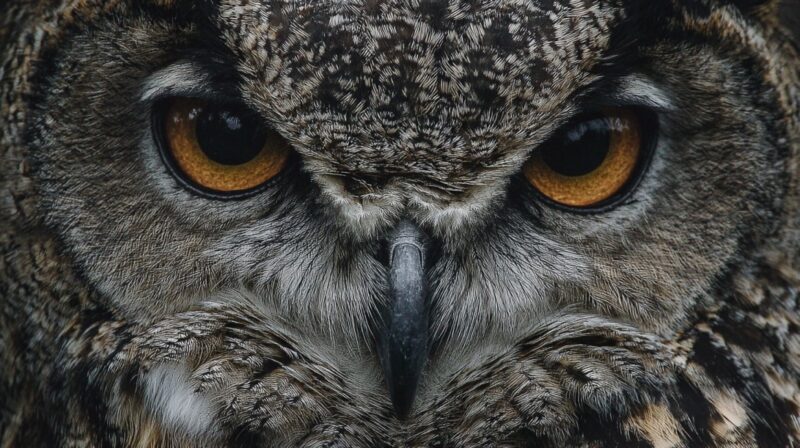
Owls and bats hunt after sunset, using powerful senses that work well in low light environments.
Owls rely heavily on hearing and silent flight. Soft feathers reduce sound while flying, allowing approach toward prey without detection.
- Extremely sensitive hearing that detects small movements
- Forward facing eyes that improve depth perception
- Silent wing feathers that reduce flight noise
Bats follow a different hunting strategy. Echolocation allows navigation and prey detection even in complete darkness. High-frequency sounds bounce off objects and return as echoes, helping bats locate insects while flying.
Night Activity Helps Animals Conserve Water and Energy
Water scarcity shapes life in desert ecosystems. Limited rainfall means animals must use every possible method to conserve moisture.
Activity at night helps reduce water loss. Lower temperatures decrease evaporation and limit heat stress. Energy use also drops because animals do not need to cool their bodies as much during nighttime hours.
Several desert animals display specialized behaviors that reduce water loss. Burrowing underground during the day provides cooler temperatures and protects animals against dry air. Some species obtain moisture directly through food rather than drinking water.
Reduced activity during the hottest hours also helps maintain body fluids. Such behaviors allow desert animals to survive long periods without direct water sources.
Avoiding Predators
Nighttime activity also helps many desert animals avoid predators. Predators that hunt during daylight pose a serious threat to smaller species.
Small mammals such as desert mice often remain hidden during daytime hours. Darkness offers protection because many daytime predators rely heavily on sight while hunting.
Movement under low light conditions reduces the chance of detection. Shadows and darkness allow animals to travel and search for food while remaining difficult to see.
Reduced predator activity at night improves survival chances for smaller desert animals.
Hunting and Food Availability
Nighttime behavior also connects closely with food availability. Many predators become active at night because their prey follows the same schedule.
Owls provide a clear example. Mice and other small rodents often search for food after sunset. Owls hunt during these hours because prey activity increases.
Night activity also reduces competition among species. Some animals hunt during daylight, while others hunt at night. Separation of activity times allows multiple species to use the same desert environment without competing directly for food.
Such patterns help maintain balance among desert animal populations.
Special Adaptations for Night Life
Nocturnal desert animals display physical features that improve survival in darkness. Large eyes help collect more light during low light conditions. Increased light sensitivity improves vision during nighttime activity.
Enhanced hearing also helps animals detect movement. Small sounds can reveal nearby prey or signal approaching predators. Strong sense of smell provides additional information about surroundings.
Certain snakes possess heat sensitive receptors that detect body warmth of prey animals. Heat detection allows accurate hunting even in complete darkness.
These adaptations allow desert animals to move, hunt, and navigate effectively during nighttime hours.
The Extreme Heat of Desert Daytime
Deserts receive very little precipitation and contain extremely dry air. Daytime heat frequently rises high enough to threaten survival for many animals.
Surface temperatures of sand and rocks can become especially dangerous. Direct sunlight heats the ground quickly, creating conditions that make daytime movement risky.
Many desert species avoid these hazards by remaining inactive during daylight hours. Activity after sunset allows animals to escape the most intense heat.
- Extremely high air temperatures
- Heated sand and rock surfaces
- Dry air that increases dehydration
- Intense sunlight that raises body temperature
Shelter plays a major role in survival during these periods. Numerous animals retreat into burrows, rock crevices, or shaded areas when sunlight reaches peak intensity.
- Cooler underground temperatures
- Protection against direct sunlight
- Increased humidity compared with surface air
- Safe resting locations away from predators
The Bottom Line
Nocturnal behavior plays a crucial role in desert survival. Extreme heat, limited water, and constant predator threats create difficult living conditions.
Nighttime activity allows animals to avoid dangerous daytime temperatures. Cooler air reduces water loss and energy use.
Darkness also lowers exposure to predators and decreases competition during hunting.
Such survival strategies allow many desert animals to thrive in one of Earth’s harshest environments.