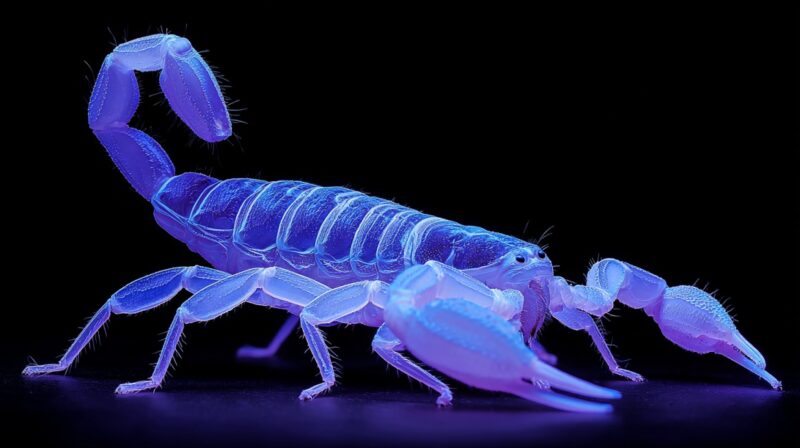
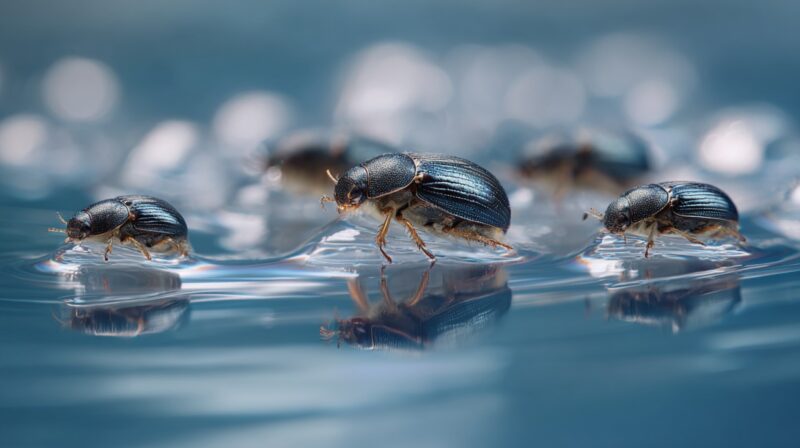
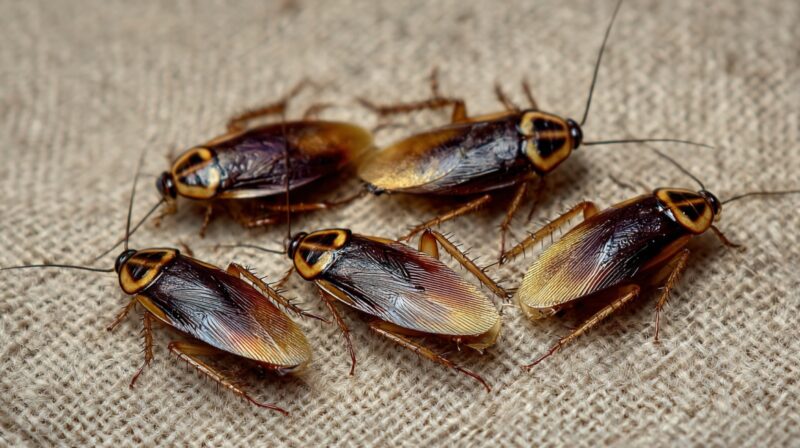
Many homeowners use the terms water beetles or water bugs to describe insects found in damp areas inside a home. In most indoor situations, these pests are not aquatic beetles at all. Cockroaches such as Oriental roaches or American roaches are usually responsible for these sightings.
Health concerns linked to these insects include bacteria like Salmonella and Staphylococcus, along with allergens that can trigger asthma symptoms.
Quick action reduces the risk of contamination and prevents population growth.
Let’s see how that can be done.
How To Get Rid of Water Beetles Quickly
Fast action limits the spread and lowers health risks inside any structure.
Reports involving water beetles indoors usually trace back to cockroach activity, so effective control focuses on removing survival conditions and disrupting breeding cycles as early as possible.
Speed matters because these pests multiply quickly once stable shelter and moisture remain available.
@creative_explained Bye Japanese Beetles 🌱 #garden #trick #natural #gardening #plantlover #magic #foryou #fyp #learnfromme #alwayslearning #recipe #dontthrowitout #diy ♬ original sound – creative explained
Eliminate Moisture
Moist environments allow roaches to thrive, hide, and reproduce without disruption. Damp areas create shelter, water access, and stable temperatures that support egg development.
Immediate moisture reduction removes one of the most important factors supporting infestation growth.
- leaking pipes under sinks, inside cabinets, and behind appliances
- damp basement walls, floors, and crawl spaces
- standing water near floor drains, sump pumps, laundry areas, or utility rooms
Repairs should address pipe leaks, condensation issues, and drainage failures.
Ventilation improvements help air circulate through enclosed spaces. Dehumidifier use lowers humidity levels quickly and makes indoor areas less suitable for roach survival within a short period.
Seal Entry Points
Roaches access indoor spaces through openings that often remain unnoticed during routine cleaning. Even small gaps provide enough space for entry and movement.
Blocking these access points limits new arrivals and restricts existing activity.
Inspection should focus on joints, seams, and penetrations where building materials meet or utilities pass through walls.
- caulking cracks along foundations, baseboards, and wall joints
- sealing gaps around plumbing lines, electrical cables, and HVAC connections
- installing fine mesh covers on vents, drain openings, and utility access points
Consistent sealing redirects roaming roaches toward baited and treated zones, improving control success and reducing spread into living areas.
Traps and Baits
Active control products reduce numbers and reveal hidden nesting zones. Correct placement improves results because roaches favor dark, undisturbed areas near moisture and food sources.
Sticky traps support population monitoring while capturing roaming insects before reproduction occurs. Placement near walls, under sinks, and behind appliances increases capture rates. Boric acid works best when applied as a light dust in wall voids, cabinet corners, and appliance gaps.
Commercial bait systems draw roaches back to nesting sites, allowing poison transfer throughout colonies. Products such as Advion or Combat remain effective due to delayed action, which prevents immediate death and reduces bait avoidance.++
View this post on Instagram
Natural Solutions
Non-chemical options support other control efforts and perform best as part of a combined approach. Diatomaceous earth damages insect exoskeletons, leading to dehydration over time.
- baseboards in kitchens, bathrooms, and laundry rooms
- under sinks and near plumbing access points
- behind stoves, refrigerators, and dishwashers
Essential oils like peppermint or eucalyptus may discourage movement when applied consistently along entry paths. Results differ, so these options should support moisture control and baiting rather than act as primary solutions.
How To Keep Water Beetles From Coming Back
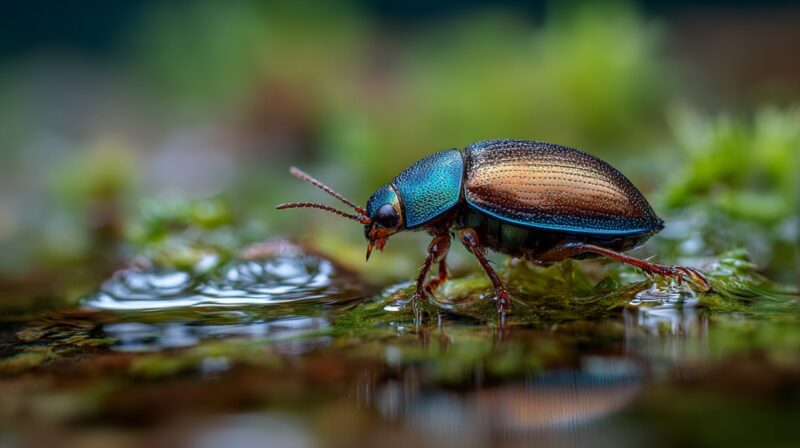
Long-term prevention depends on removing conditions that attract and sustain roaches. Consistent habits and routine maintenance matter more than relying on a single product or treatment.
Moisture Control
Dry conditions reduce survival rates and nesting success. Basements and crawl spaces require steady airflow and controlled humidity. Poor exterior drainage increases pressure as pests migrate toward foundations searching for water.
- clogged gutters causing water buildup near exterior walls
- standing water near foundations, walkways, or downspouts
- heavy mulch placed directly against exterior walls
Storm drains and nearby outdoor water sources should stay clear to reduce movement toward structures.
Food Source Elimination
Food access allows even small infestations to grow quickly. Roaches feed on crumbs, grease residue, paper products, and pet food left overnight.
Strong prevention relies on strict storage and cleanup habits. Pantry goods should remain sealed in airtight containers.
Food prep surfaces need regular wiping, especially after evening meals. Pet bowls should be cleaned after feeding instead of remaining accessible overnight.
Daily Habits
Nighttime activity peaks for roaches, so evening routines directly influence control success. Cleaning before bed removes attractants during hours when pests search for food.
- wiping counters, sinks, and stovetops every night
- removing trash on a consistent schedule
- keeping trash bins sealed, clean, and free of residue
Small changes practiced daily reduce reinfestation risk and limit long-term shelter opportunities.
When To Call Pest Control
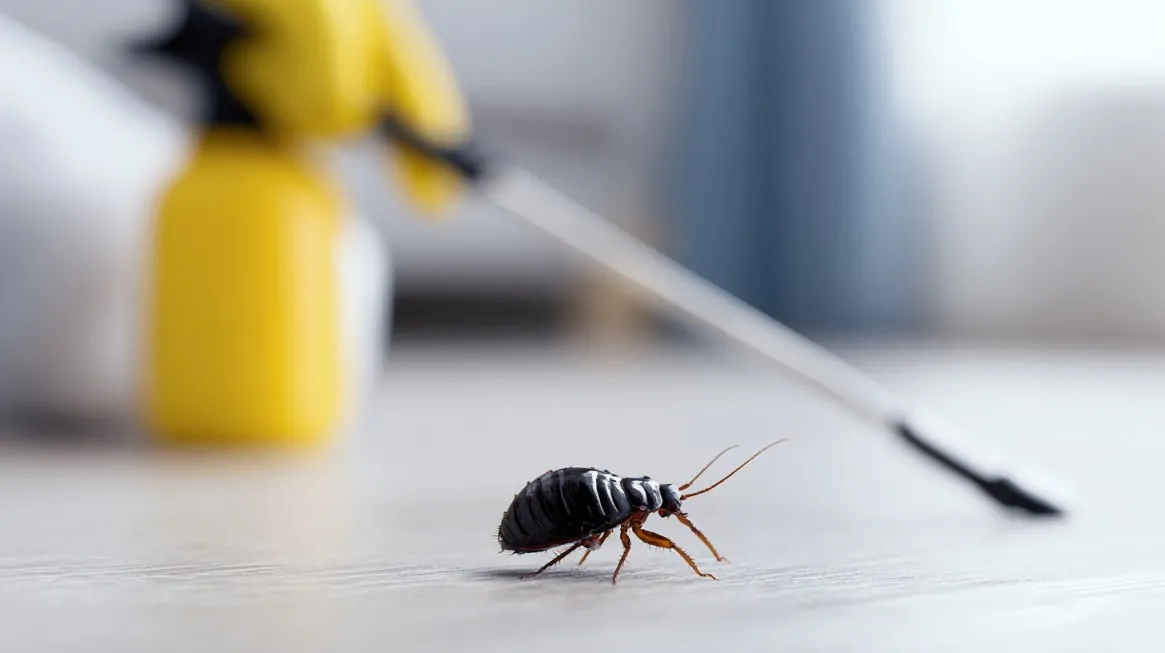
Some infestations extend beyond what household methods can manage.
Professional services become necessary once signs indicate deeper nesting, widespread activity, or rising health concerns.
Indicators for Professional Help
Daytime sightings point to overcrowding and heavy infestation. Discovery of egg cases, known as ootheca, signals active reproduction hidden behind walls, appliances, or fixtures.
Repeated sightings after consistent DIY efforts suggest resistance or multiple nesting zones spread across the structure.
Services Professionals Offer
Licensed technicians perform detailed inspections that identify entry points, moisture sources, and nesting areas. Multi-point assessments uncover issues that casual checks often miss.
- targeted pesticide application designed for indoor safety
- sealing and exclusion work that blocks future access
- scheduled monitoring and follow-up visits
Professional oversight improves elimination speed and reduces the chance of recurring infestations.
Health Risks Justify Immediate Action
Oriental roaches move through drains, waste areas, and contaminated surfaces before traveling across kitchens and living spaces. Bacteria transfer, allergic reactions, and asthma flare-ups increase urgency once infestations persist.
Professional intervention limits exposure and restores sanitary conditions more reliably than household methods alone.
Summary
Water beetle sightings indoors usually signal cockroach activity that requires fast and consistent action.
Moisture reduction, access sealing, and targeted control methods stop infestations before they expand and create health concerns.
Long term success depends on maintaining dry conditions, limiting food access, and following daily habits that remove attractants.
Persistent activity, daytime sightings, or evidence of reproduction indicate a need for professional pest control. Timely intervention protects living spaces, reduces contamination risk, and restores a safer indoor environment.